Breaking
Programme hub · Unmanned Systems · Aerospace / weapons

Bayraktar AKINCI Programme

Türkiye’s strategic unmanned combat-aircraft programme: operational fleet growth, AESA radar integration, air-to-air and stand-off strike capability, indigenous payloads and expanding export use.

TürkiyeLast verified 2026-08-22

StatusOperational; deliveries and capability expansion continuing

Current status

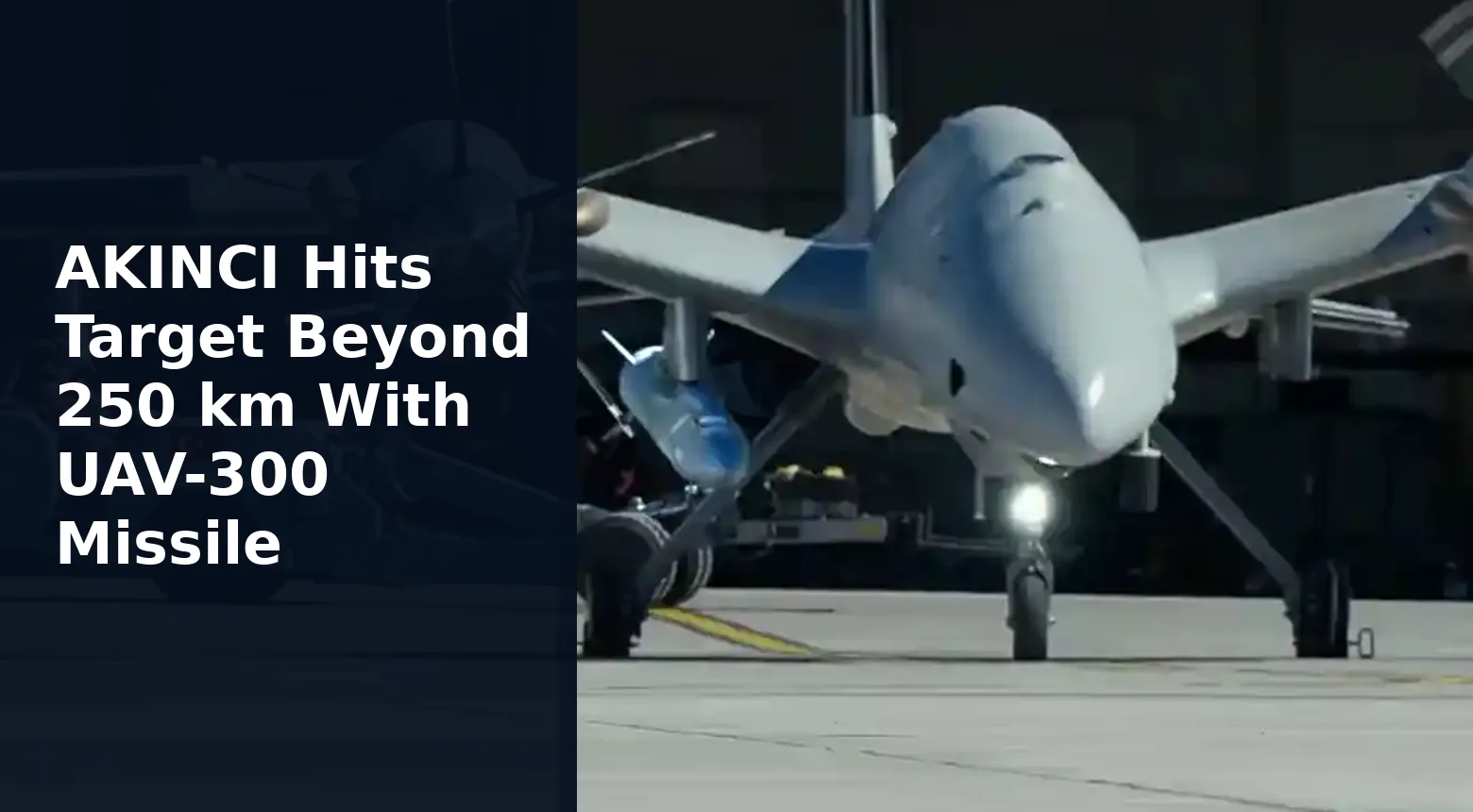
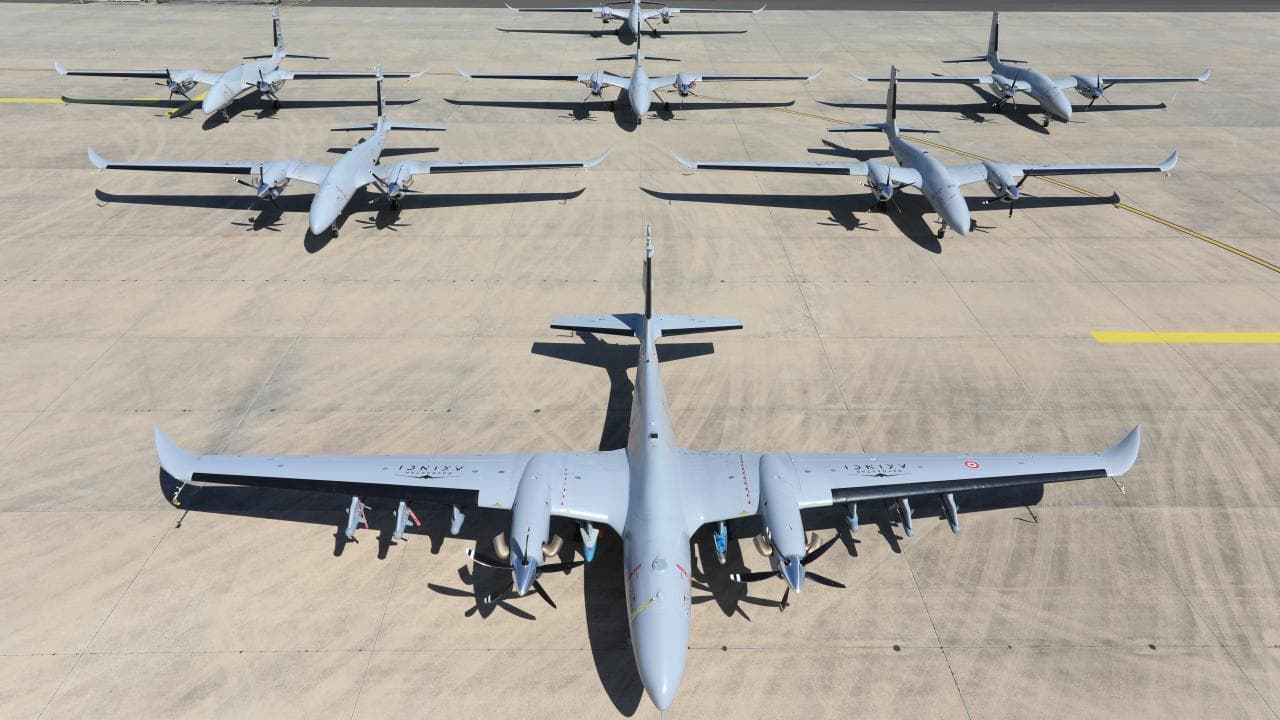
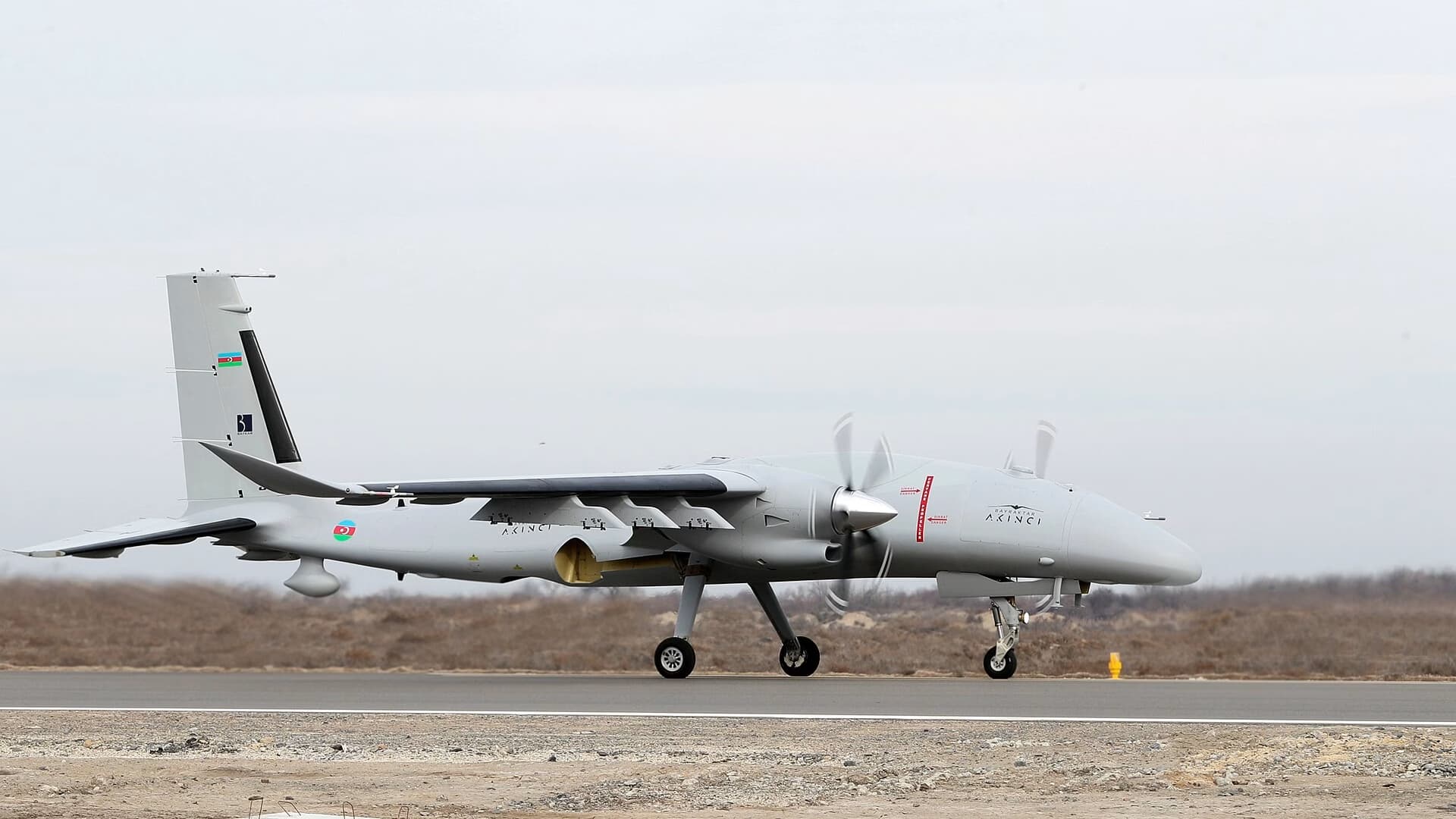
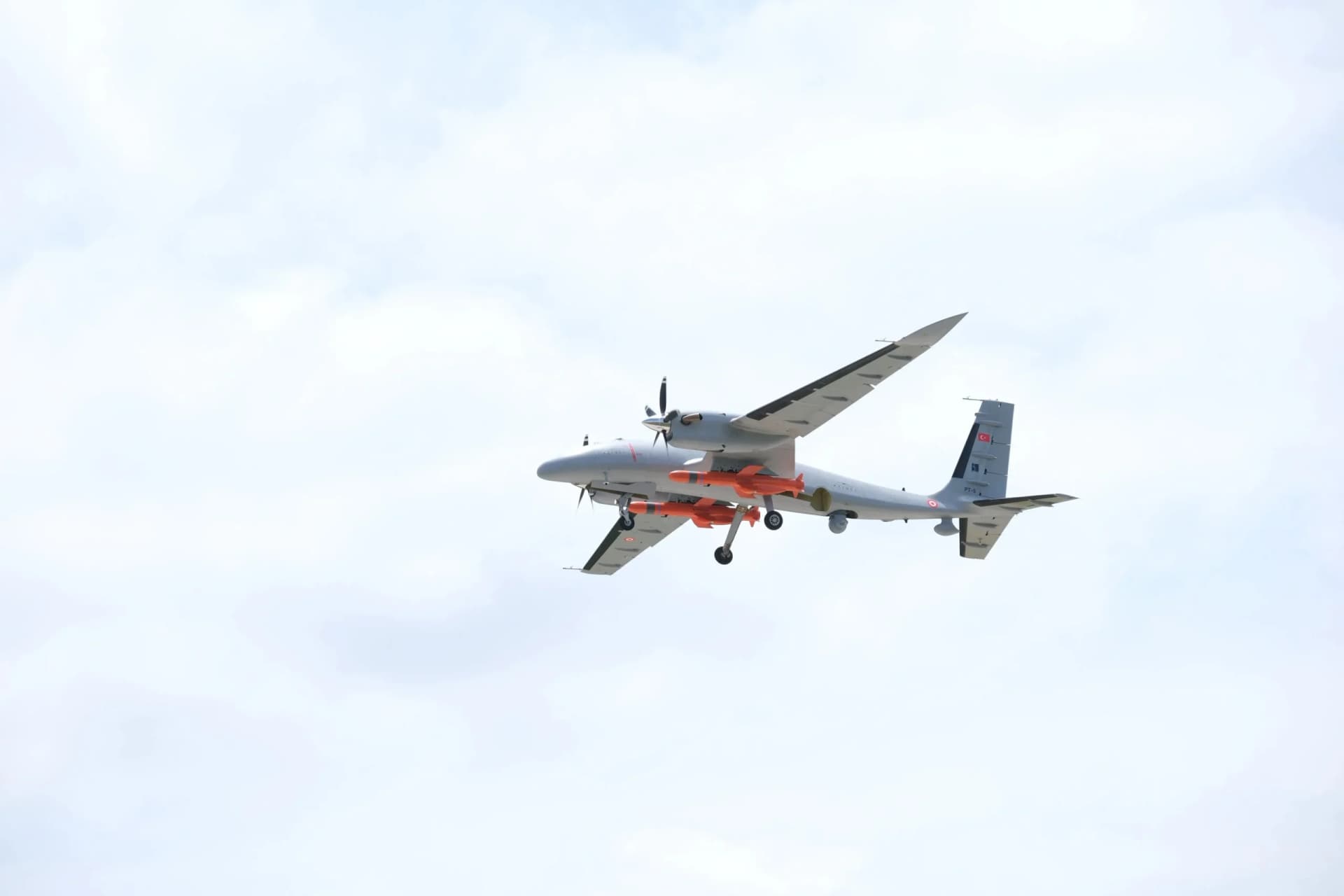
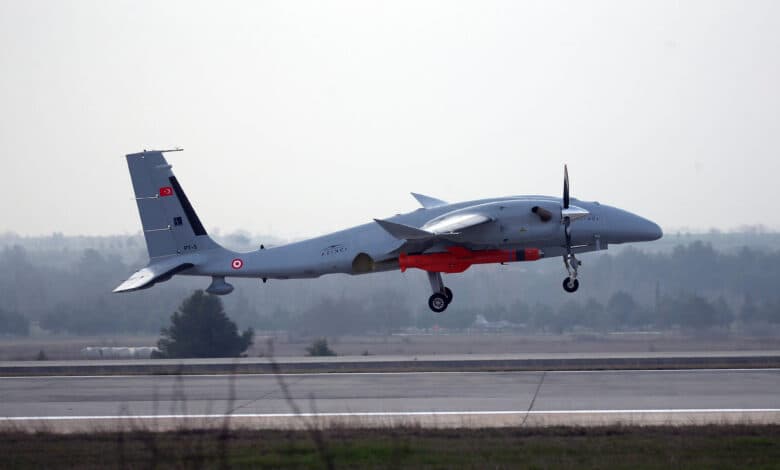
Bayraktar AKINCI is an operational twin-engine unmanned combat aerial vehicle developed by Baykar within Türkiye’s strategic UAV programme. The aircraft entered service with the Turkish Armed Forces on 29 August 2021 and has since developed from a heavy ISR-and-strike UAV into a multi-role combat-aircraft node carrying a widening range of Turkish sensors and weapons.

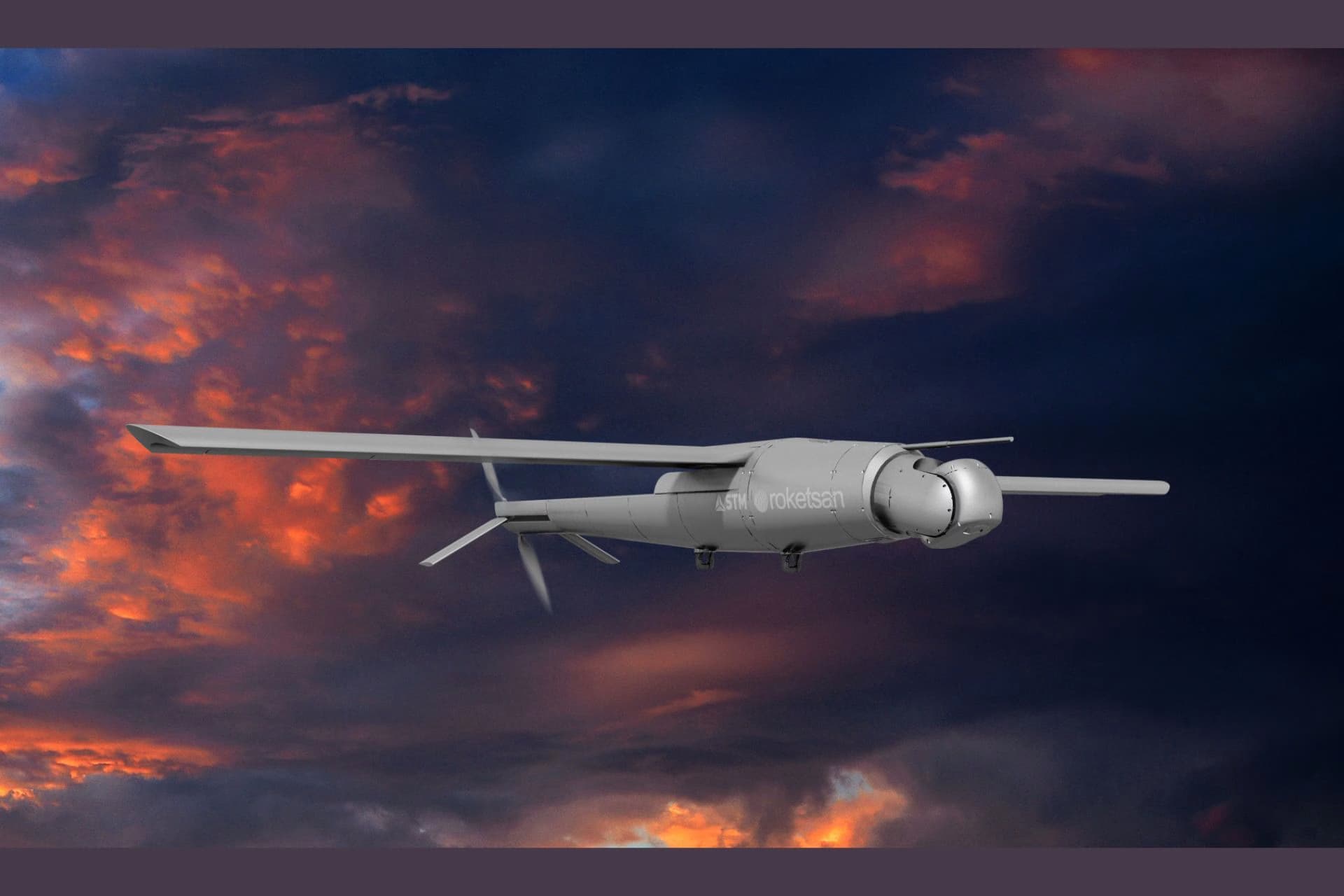
The programme remains active even though the platform is already in service. The distinction is important: AKINCI is no longer principally a prototype-development story, but its mission-system baseline continues to evolve. In March 2026, the Secretariat of Defence Industries (SSB) reported that AKINCI had passed 150,000 flight hours and had conducted a performance test flight with ASELSAN’s MURAD AESA radar. On 10 August 2026, SSB also reported successful firing tests of the ALPAGUT smart loitering munition from AKINCI.

Baykar’s current product page lists AKINCI-A, AKINCI-B and AKINCI-C configurations and describes the platform as capable of ISTAR, precision air-to-ground missions, air-to-air missions and maritime roles. It lists a maximum take-off weight of 6,000 kg, payload capacity of 1,500 kg, SATCOM-supported BLOS control and multiple turboprop power configurations. These figures should be treated as manufacturer-published current configuration data rather than universal specifications for every aircraft delivered.

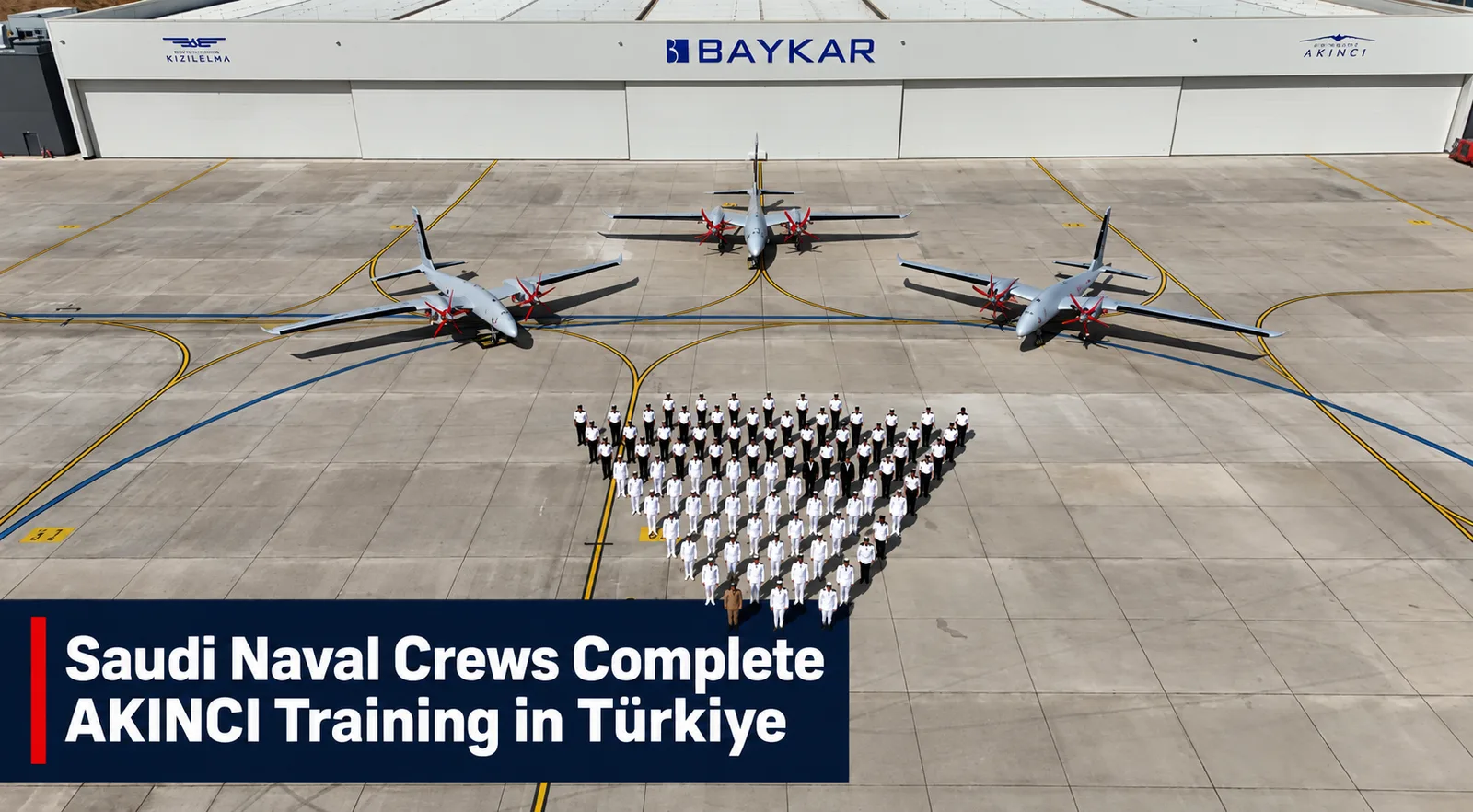
AKINCI is also an export programme. Baykar stated on 11 March 2025 that it had export agreements covering eleven countries at that point. Because the export customer base can change quickly, Defence Agenda should date-stamp rather than hard-code that figure as a permanent programme fact.

Why it matters

AKINCI occupies a different operational tier from Türkiye’s earlier tactical armed UAVs. Its payload, endurance, SATCOM architecture and integration with larger weapons allow it to perform missions that previously required crewed aircraft or specialised ISR platforms.

The programme is strategically significant because its value increasingly comes from the national mission-system and weapons ecosystem around the airframe. MURAD AESA integration, long-range precision weapons, electronic-warfare payloads and emerging air-to-air capabilities progressively turn AKINCI into a networked sensor-shooter rather than a remotely operated strike UAV.

It is also a useful indicator of how Türkiye is attempting to transfer one technology stack across multiple platforms. Radar, EO/IR systems, smart munitions, cruise missiles and air-to-air weapons developed for one Turkish platform increasingly migrate between AKINCI, KIZILELMA, ANKA III, ÖZGÜR and future combat-air systems.
Key facts

Programme
Strategic/tactical-operational UAV capability / Bayraktar AKINCI
Programme authority
Secretariat of Defence Industries (SSB)
Industrial developer
Baykar
Operational status
In service since 29 August 2021
2026 programme milestone
SSB reported 150,000 flight hours and MURAD AESA performance testing
Current manufacturer-listed MTOW
6,000 kg
Current manufacturer-listed payload
1,500 kg
Communications
LOS and SATCOM-supported BLOS
Published variants
AKINCI-A, AKINCI-B and AKINCI-C
Programme direction
Sensor, EW, precision-strike, air-to-air and stand-off weapon expansion

What we track

Fleet growth and deliveries

Track acceptance and inventory announcements separately from prototype or company fleet activity. New deliveries are a more useful programme indicator than cumulative production claims without an identified customer.

Radar, EO/IR and electronic warfare

MURAD AESA is a major transition point because it can support air-to-air engagement, SAR and other radar-enabled missions. Track production-standard radar integration, operational acceptance and whether the same configuration is exported.

Weapons integration

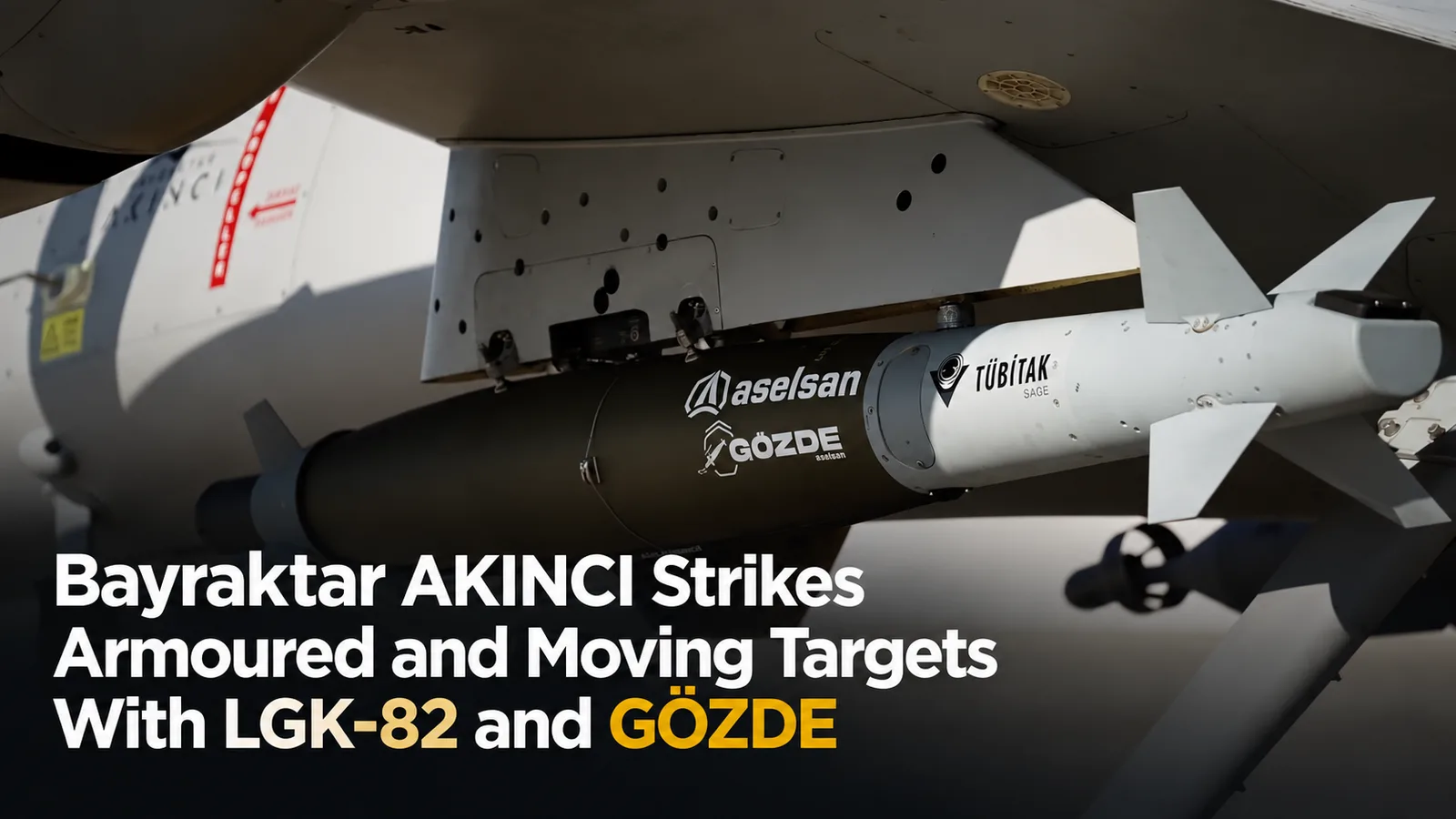
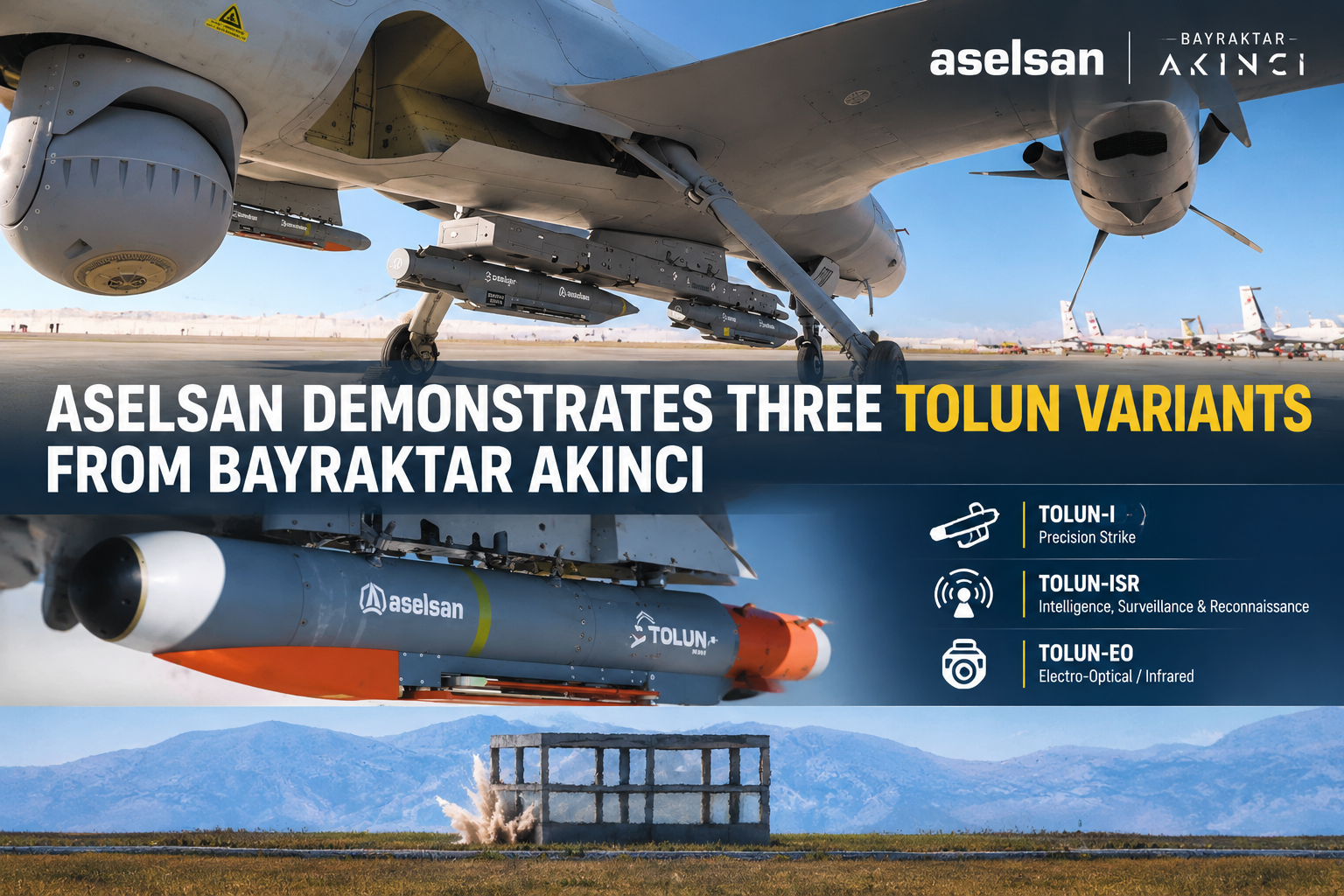
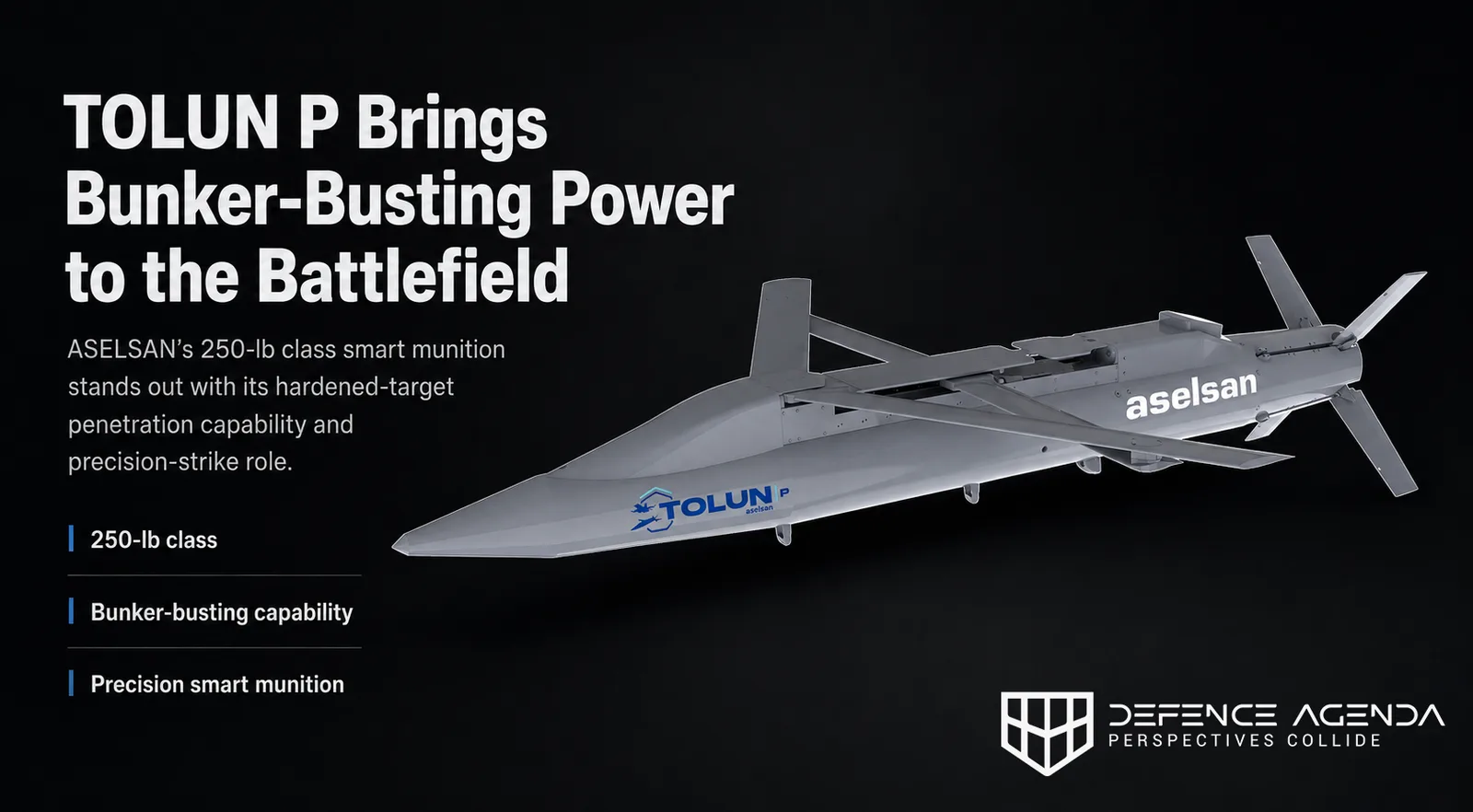
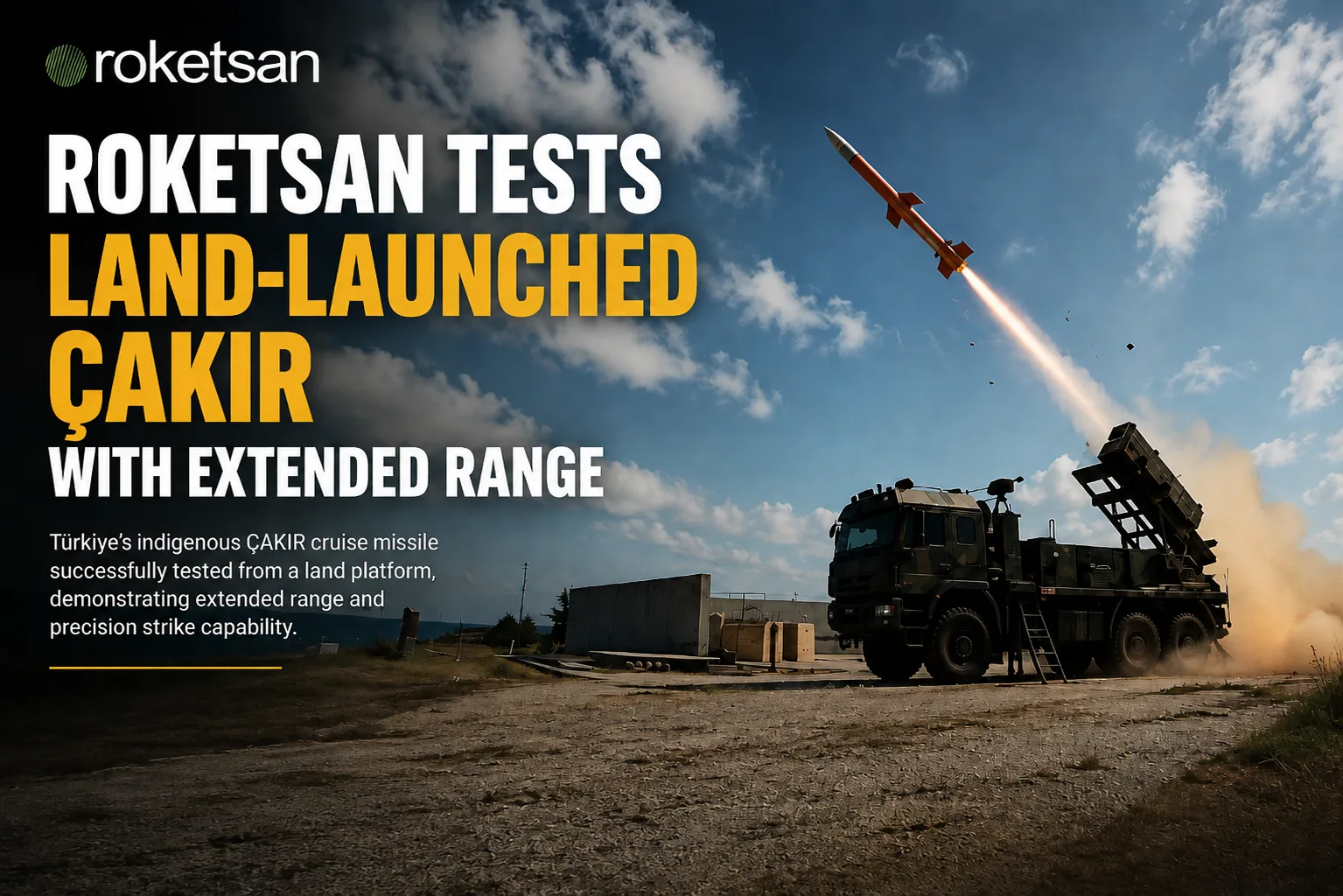
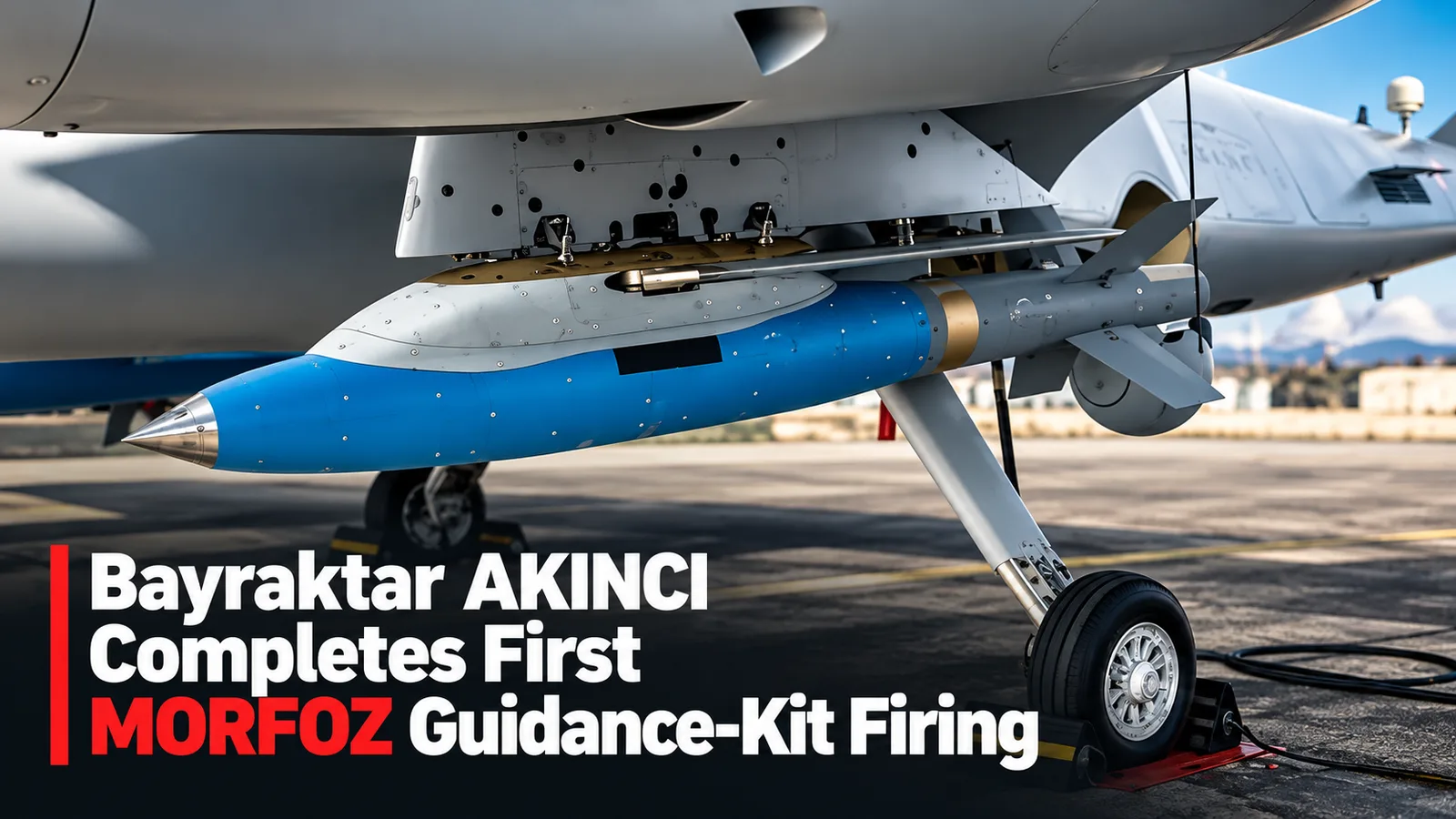
AKINCI has become a major integration platform for Turkish munitions. Track qualification and operational status—not merely captive carriage—for TOLUN-family weapons, TEBER, LGK/HGK/KGK kits, ÇAKIR, İHA-230/İHA-122, ALPAGUT, BOZOK and future air-to-air weapons.

Air-to-air capability

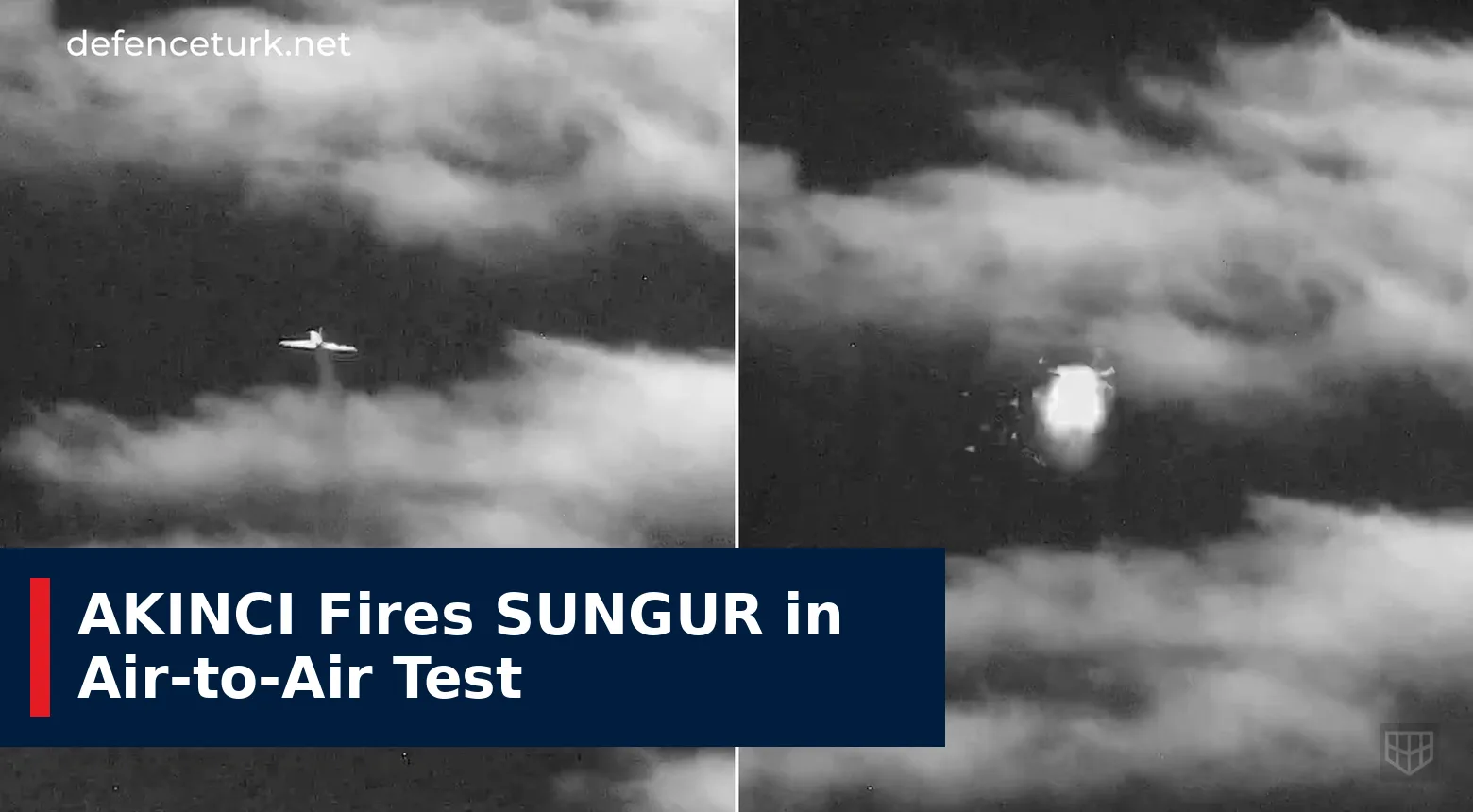
Separate target-drone demonstrations and weapon firings from a declared operational air-defence role. The key milestones are sensor-to-missile integration, datalink guidance, seeker performance, rules-of-engagement integration and customer acceptance.

Propulsion and configuration

AKINCI has appeared with several engine/power configurations. Track which engine is associated with which production batch, operator and export package rather than treating all A/B/C aircraft as technically identical.

Export and localisation

Record export contracts with the date of disclosure, identified customer, industrial participation, local production and technology-transfer provisions. Export-country totals should always carry a verification date.

Primary sources

The factual fields on this page are refreshed from primary sources, not from our own archive: past coverage provides context, but it is not the source of truth for current programme status. How we source and verify is set out in our Sourcing Policy.

Related programmes

  • KIZILELMAFlight, weapons and mission-system testing
  • GÖKDOĞAN & BOZDOĞANQualification completed; serial-production processes started
  • KAANPrototype flight testing, propulsion localisation and production preparation
  • ANKA IIIMulti-prototype flight and weapons testing

AKINCI coverage

6 articles