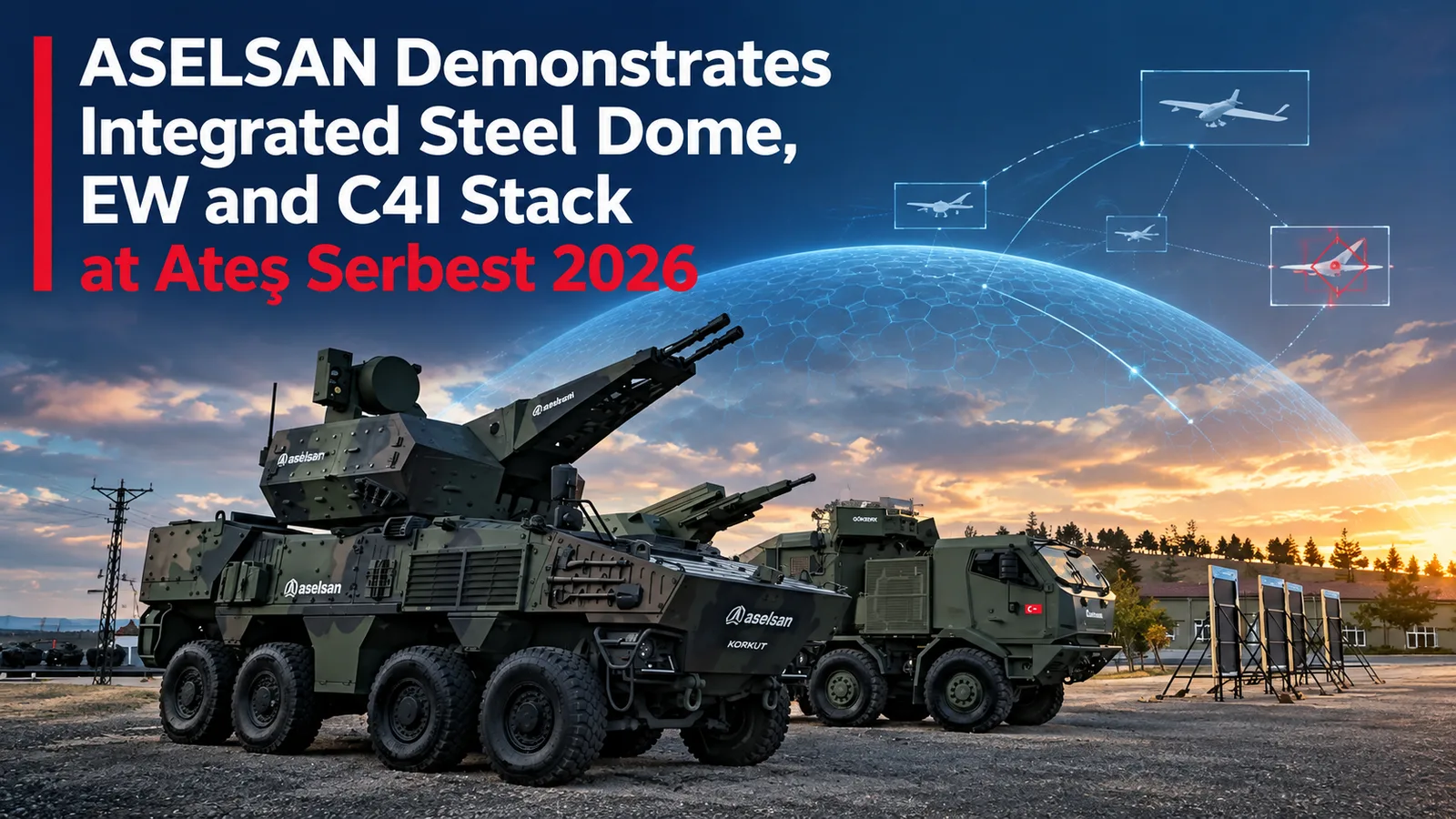
ASELSAN used Ateş Serbest 2026 to demonstrate an integrated mix of Steel Dome air-defence components, electronic warfare, radar, command-and-control and precision-strike systems. The activity connected battlefield management and tactical-network systems with airborne radar, electronic warfare and precision weapons carried by Bayraktar AKINCI.
The most important feature was not the number of individual products on display, but the way ASELSAN presented them as one operational ecosystem. KOCATEPE, ARTNET and ARTSOFT MAESTRO supported coordination and data flow, while AKINCI carried MURAD-100 AESA radar, ANTIDOT electronic-warfare equipment and TOLUN-P guided munitions.
KOCATEPE Provided the Battlefield-Management Layer
Anadolu Agency reported that coordination of the exercise elements was carried out through ASELSAN’s KOCATEPE Battlefield Management System. ASELSAN defines KOCATEPE HQ 100 as a battlefield-management system for battalion-and-above tactical and operational command posts and strategic-level headquarters.
That role is central to understanding the demonstration. Modern air defence and joint fires depend on a common operational picture, tasking, command authority and information flow between sensors, command posts and effectors. KOCATEPE therefore represents the management layer connecting individual ASELSAN products into a force-level architecture.
ARTNET and MAESTRO Moved and Fused the Tactical Data
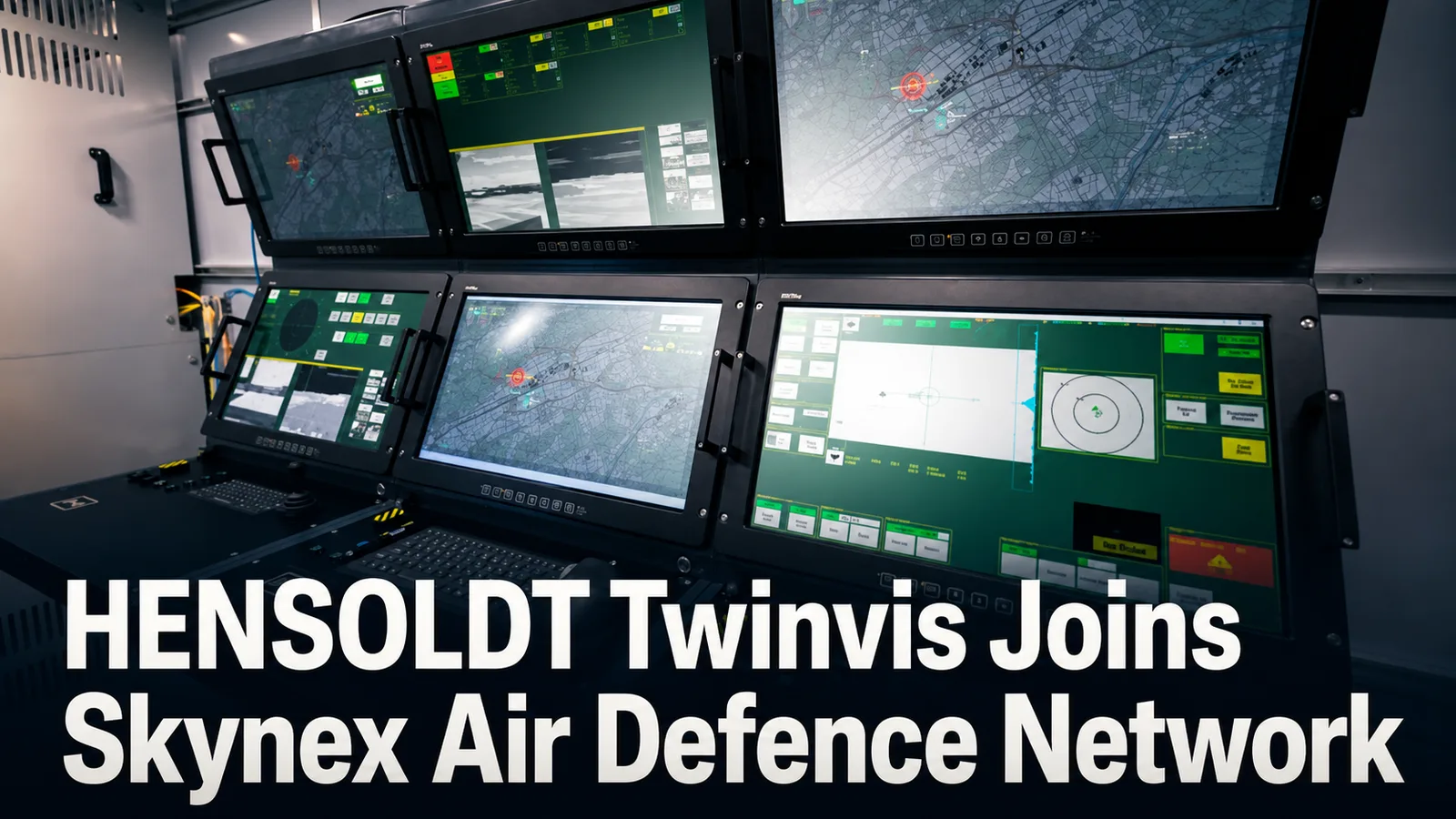
ARTNET provided the high-volume tactical data link between headquarters and forward elements, including live imagery and radar information. ARTSOFT MAESTRO combined data from different sensors and systems into a common tactical picture, according to Anadolu Agency.
The exercise also used IDENTA secure identity and access management and highlighted QCRYPT for advanced cryptographic communications. These elements matter because a layered air-defence architecture is only as effective as the network moving information between distributed sensors and weapons.
MURAD-100 Flew on AKINCI
ASELSAN’s MURAD-100 AESA radar operated on Bayraktar AKINCI during the exercise. ASELSAN identifies MURAD 100-A as an AESA fire-control radar and has previously integrated the radar family onto both crewed and uncrewed combat-aircraft platforms.
The AKINCI installation gives Türkiye a way to combine wide-area airborne sensing with an unmanned combat aircraft that can also carry electronic-warfare payloads and precision weapons. In practical terms, one platform can contribute to detection, emitter location and strike rather than serving only as a weapons carrier.
ANTIDOT Located Hostile Air-Defence Radar Emitters
Anadolu Agency reported that ANTIDOT on AKINCI detected hostile air-defence radar emissions and determined their locations within the exercise scenario. This mirrors earlier ASELSAN demonstrations in which ANTIDOT electronic-support systems detected and geolocated radar emitters before electronic-attack systems engaged them.
The significance is the integration of electronic intelligence with strike operations. Locating an emitting radar can feed targeting, route planning, electronic attack or kinetic suppression missions, creating a direct bridge between electromagnetic-spectrum awareness and weapons employment.
AKINCI Fired TOLUN-P in a Multi-Weapon Strike
AKINCI also conducted a multi-weapon firing with ASELSAN’s TOLUN-P precision-guided munition. The company’s product data identifies TOLUN-P as a 250 lb-class penetrating guided weapon that can be carried by AKINCI and used in simultaneous engagements against single or multiple targets.
The salvo firing demonstrates a different part of ASELSAN’s integrated architecture: once a target is detected, identified and passed through the command network, the same force package can employ precision weapons against multiple target points without relying on a separate strike aircraft.
Steel Dome Combined Kinetic and Non-Kinetic Defences
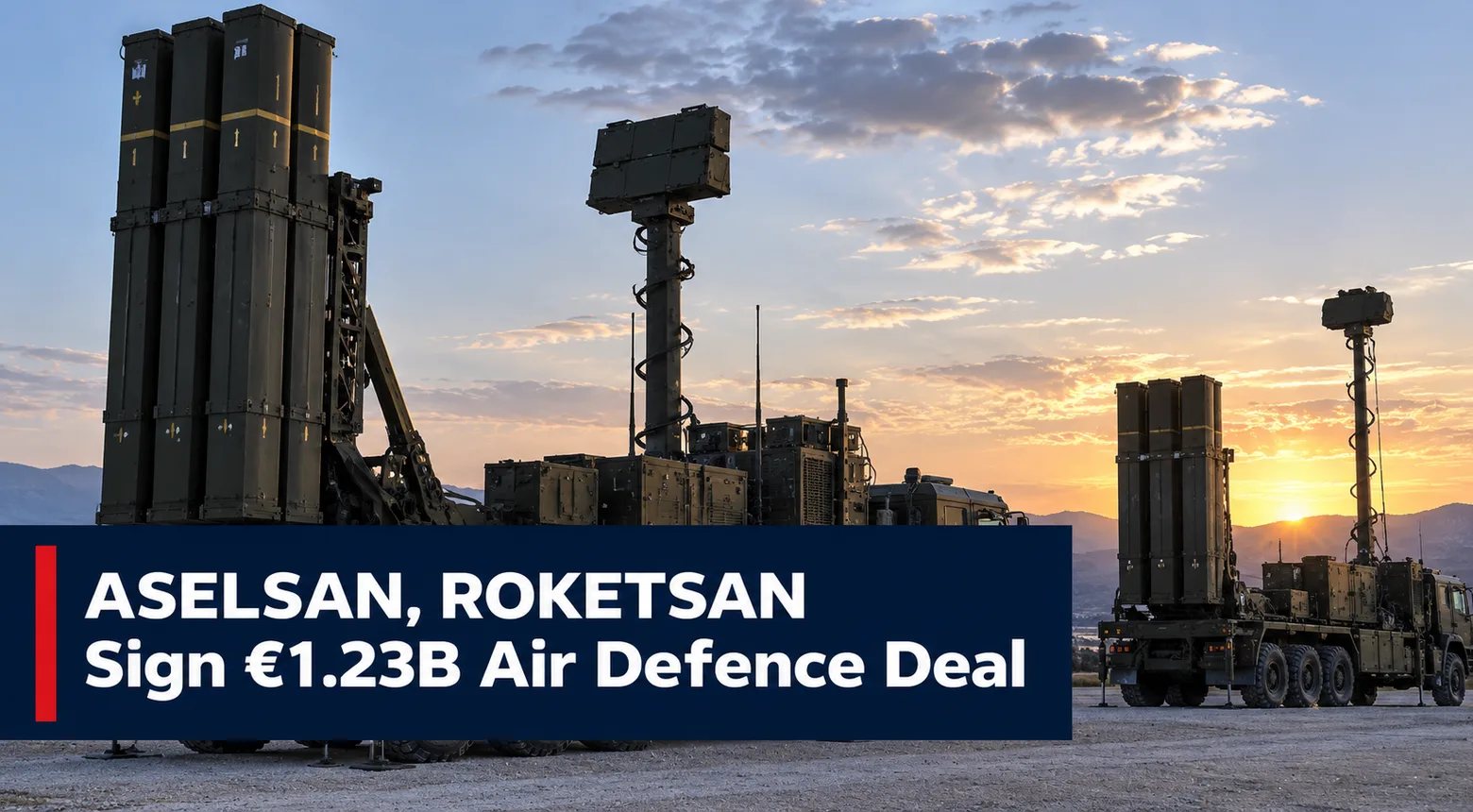
The event displayed several ASELSAN components associated with Türkiye’s Steel Dome layered air-defence architecture. These included KORKUT, GÖKBERK, EJDERHA, İHTAR, GÖKALP, weapon-locating radar, AURA radar, ASELFLIR-410 and ANTIDOT.
The mix is operationally significant because it brings together several different defeat mechanisms. KORKUT and other gun-based effectors provide kinetic interception, GÖKBERK provides laser hard-kill capability, EJDERHA introduces high-power electromagnetic effects, and İHTAR and ANTIDOT contribute electronic-warfare and counter-UAS functions.
GÖKBERK Represents the Directed-Energy Layer
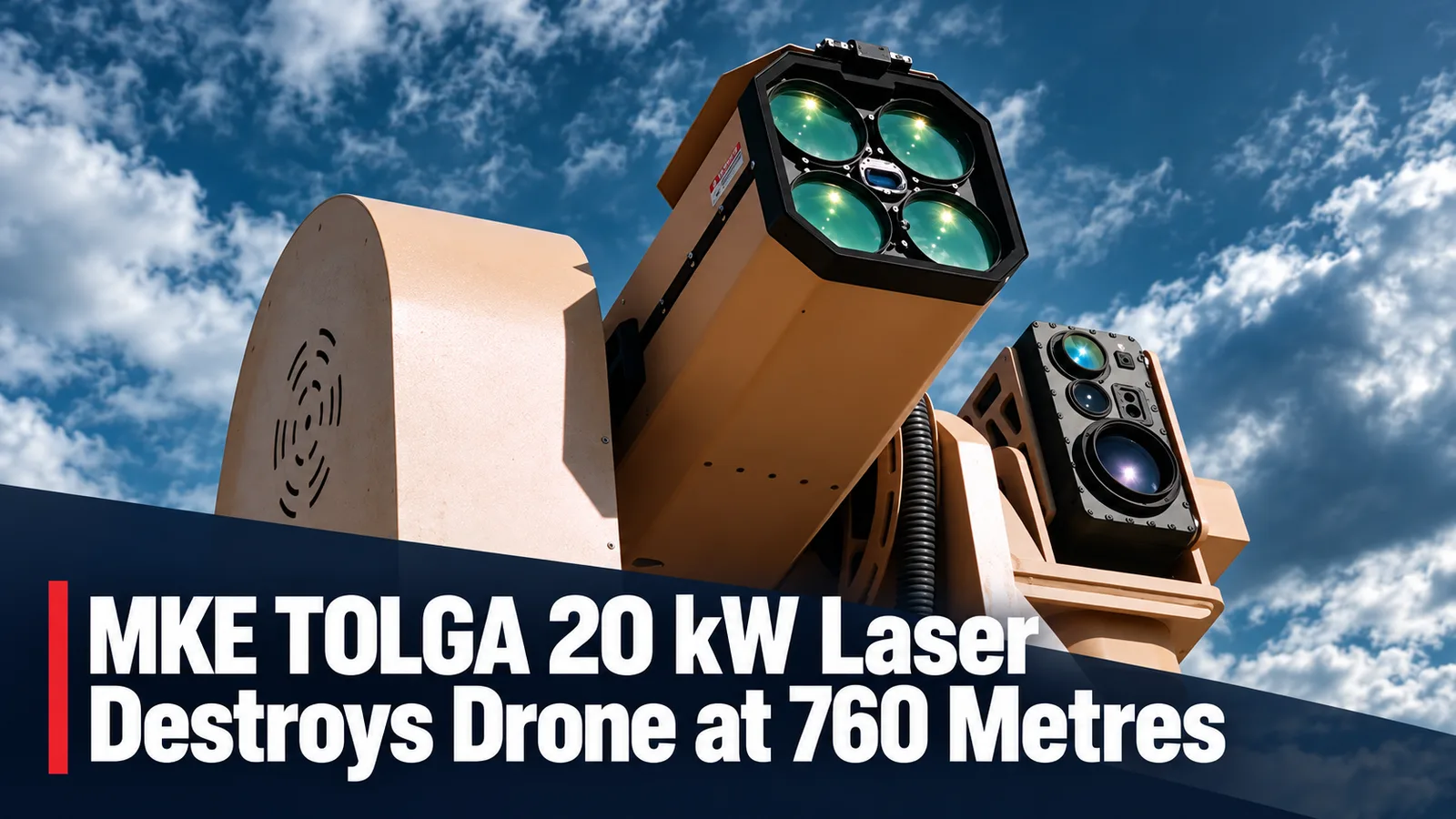
ASELSAN’s current GÖKBERK 10 product data lists a laser output of up to 10 kW and a focusing capability from 150 metres to 2 kilometres. The system is intended to provide hard-kill effects against Class I UAVs while operating as part of a layered air-defence architecture.
The value of a laser in that architecture is magazine depth and engagement economics against low-cost drones. But directed energy remains sensitive to atmospheric conditions and tracking quality, so it is most useful when paired with radar, electro-optics, electronic warfare and conventional effectors rather than treated as a universal replacement.
EJDERHA Adds High-Power Electromagnetic Counter-UAS Effects
EJDERHA adds a different non-kinetic option. ASELSAN describes it as a next-generation high-power electromagnetic anti-UAV system, intended to defeat drone threats by using electromagnetic energy rather than ammunition or a conventional interceptor.
This creates a layered counter-UAS logic in which electronic attack, high-power electromagnetic effects, lasers and guns can be selected according to target type, range and susceptibility. The objective is not to use the most advanced effector against every target, but to use the cheapest and most appropriate one that can achieve the kill.
Land and Fire-Support Systems Completed the Network
ASELSAN also fielded ALKAR mortar-direction equipment, a SARP 25-equipped armoured combat vehicle, KORKUT, ADOP fire-support command and control and the KALKAN-II mobile search radar. These systems extended the company’s presence beyond air defence into land manoeuvre and fire-support functions.
The result was a broader picture of ASELSAN as a systems integrator rather than a supplier of isolated sensors and weapons. The same company portfolio now spans the detection layer, command network, electronic spectrum, precision effectors and tactical vehicles that make up a modern kill chain.
The Exercise Matters More as an Integration Event Than a Product Showcase
Ateş Serbest 2026 demonstrates that ASELSAN can connect a large number of sensors, networks, command systems and effectors inside one live-fire environment. That is more meaningful than simply placing the products next to each other in an exhibition area.
However, participation in an exercise does not establish full operational maturity for every system or configuration. Some products are already fielded, others are moving through qualification or production, and some represent newer technology layers. Each still requires separate assessment against inventory, acceptance and procurement evidence.