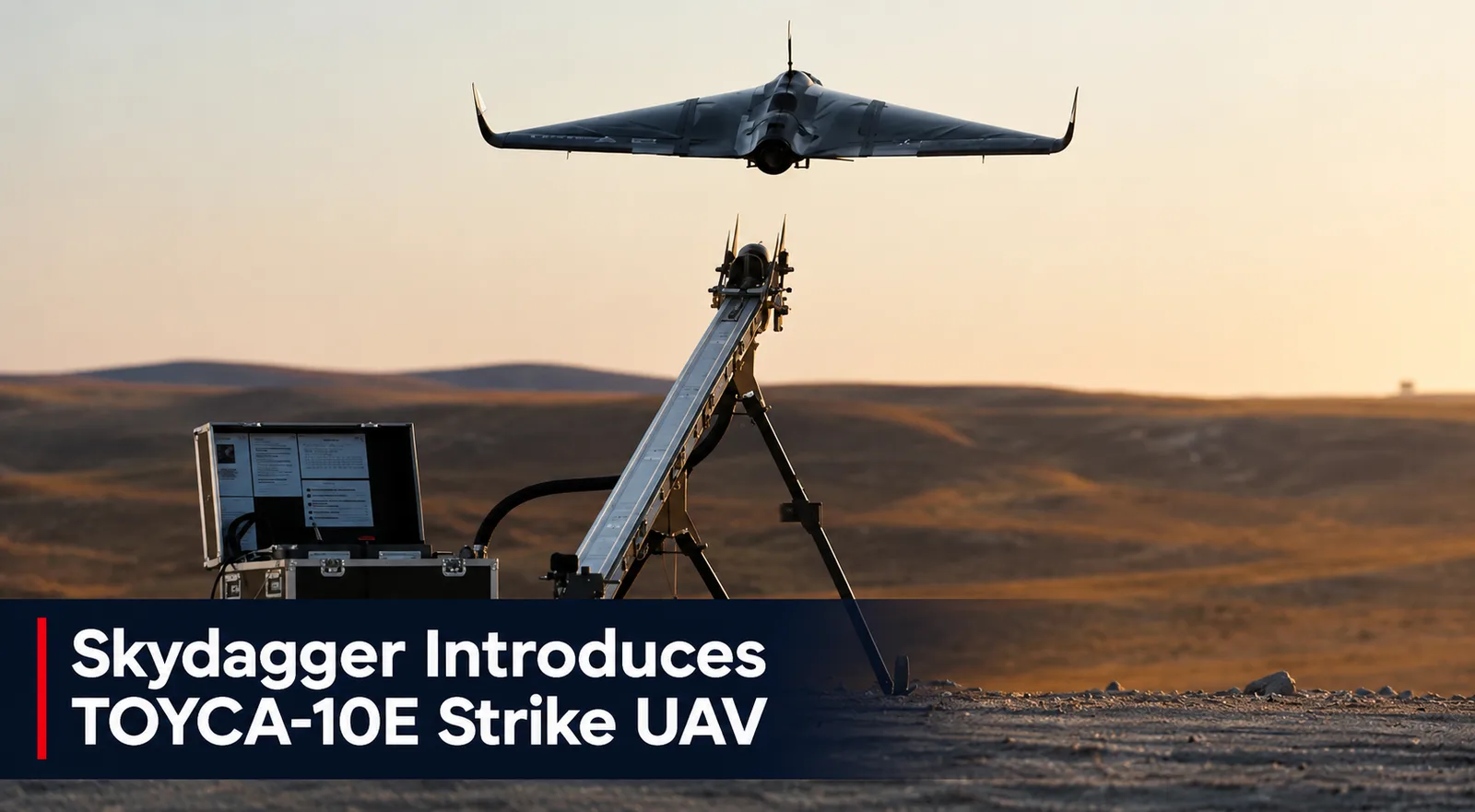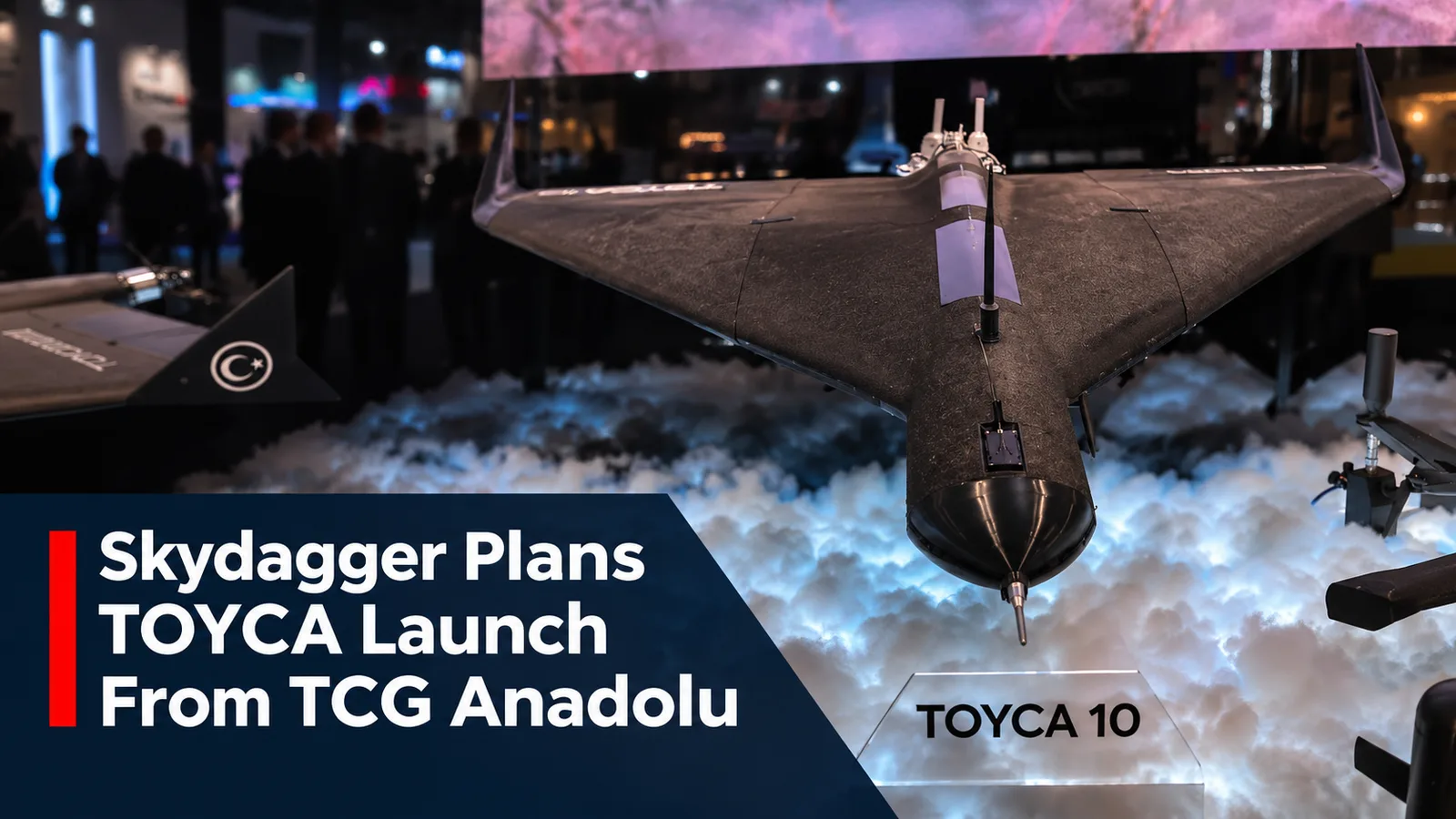
Skydagger plans to demonstrate a ship-launched TOYCA loitering munition from TCG Anadolu, with a trial scenario involving a target approximately 70 kilometres from the ship. Chief executive Mehmet Öztekin described the project in a TRT Haber interview on 9 November 2026, subsequently covered by gdh. The proposal would extend the Turkish company's expendable-unmanned-aircraft work into the naval domain. However, the planned shipboard launch and target engagement have not been publicly confirmed as completed, and no firm test date has been disclosed.
What Skydagger Actually Announced
The new disclosure centres on the intended use of TCG Anadolu as a maritime departure platform for TOYCA. Öztekin said the company expects to conduct a trial in which a TOYCA aircraft takes off from the ship and approaches a target about 70 kilometres away. The stated objective is a demonstration, not an announcement that the Turkish Navy has accepted a new weapon or ordered serial deliveries.
The 9 November gdh report provides additional details attributed to the executive. It says the aircraft is intended to navigate by coordinates rather than depending on a live camera feed, and that the company describes electronic protection against GPS interference. These are manufacturer-reported design and resilience claims; the disclosures do not include a verified shipboard test report, independent navigation performance measurements or an operational military evaluation.
The distinction between a planned demonstration and an accomplished one is central to the story. As of 9 November 2026, the public reporting identifies a prospective test and an intended distance. It does not identify a completed take-off, release footage from TCG Anadolu, a target-impact assessment or a customer acceptance decision. A future successful trial would require separate confirmation from the company or relevant authorities.
Why TCG Anadolu Matters to the TOYCA Project
TCG Anadolu is a prominent example of Türkiye's effort to use naval vessels as bases for unmanned aviation. Aircraft operations at sea present a different programme context from trials conducted on land: planners must establish platform compatibility, flight safety, deck or launch arrangements, communications responsibilities and procedures acceptable to the ship's operator.
This does not mean all of those issues have already been solved for TOYCA. The current public statement does not specify the launch arrangement, whether an embarked crew will control or supervise the vehicle, or whether the proposed aircraft is intended for a permanent shipboard installation. Nor does it demonstrate that a fielded naval capability is available to the fleet.
There is a useful comparison with an earlier and separately verified TCG Anadolu activity. Defence Agenda reported that Bayraktar TB3 launched sonobuoys from TCG Anadolu during a September 2026 exercise. That event involved a specific airborne sensor trial. The proposed TOYCA activity would address a different mission set and must be assessed on its own evidence, despite the common naval platform.
For procurement and fleet planners, the military significance would be broader than one launch. Repeatability under shipboard operating conditions, integration with command arrangements and verified performance would be necessary before a demonstrator could support acquisition or operational planning. The information available on 9 November supports an ambition to explore those areas, not their completion.
The 70 km Figure Is a Trial Scenario, Not a Verified Range
The approximately 70 km figure in Öztekin's remarks describes the proposed ship-to-target test scenario. It should not be published as the certified maximum range of every TOYCA variant, or as evidence that the same distance has already been achieved in naval service.
The TOYCA family has received other public attention. For example, Anadolu Agency described the TOYCA-10E variant on 20 September 2026, reporting a distinct product proposition and its claimed longer-range performance. The November shipboard announcement identifies TOYCA but does not publicly establish that the intended naval trial uses that precise 10E configuration. Accordingly, performance figures from another variant should not be applied to this trial without a clear source link.
Coordinate-based mission execution may reduce dependence on certain real-time operator inputs, but it does not by itself prove the accuracy or resilience of every stage of a mission. The reported resistance to interference is also not a published qualification result. For editorial purposes, these features should be presented as statements attributed to the developer rather than independently measured operational capabilities.
The demonstration's value will ultimately depend on what is publicly documented. A ship departure followed by a measured flight to the assigned area would establish a different level of evidence from a full, instrumented engagement. A later operational designation would be a further milestone again. Treating these stages separately avoids exaggerating what the current announcement establishes.
TB2 FPV Demonstration Provides Relevant—but Separate—Context
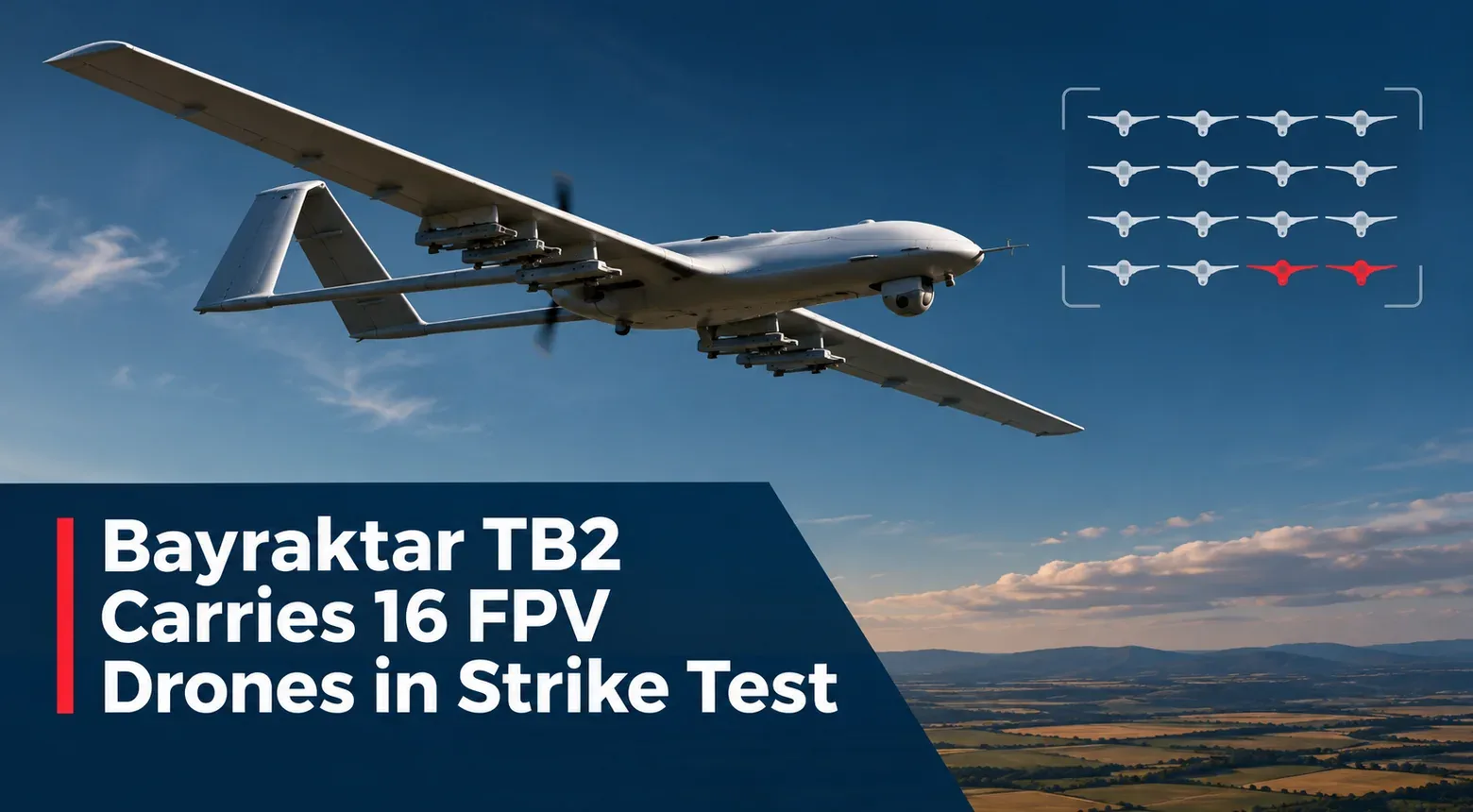
The naval proposal follows a reported Skydagger milestone involving Baykar's Bayraktar TB2. In an official 4 November 2026 statement, Baykar said a TB2 flew from the Keşan Flight Training and Test Centre carrying 16 Skydagger FPV drones. The company reported that two were released during the test and guided by operators via a communications link supported by the TB2.
Defence Agenda's coverage of the TB2 carriage and release trial explains why the difference matters. The aircraft demonstrated carriage of 16 drones during one flight, but the announced event was not a simultaneous 16-drone release. The reported result also does not constitute validation of TOYCA's intended flight from TCG Anadolu: the carrier aircraft, deployment method, mission environment and reported system are different.
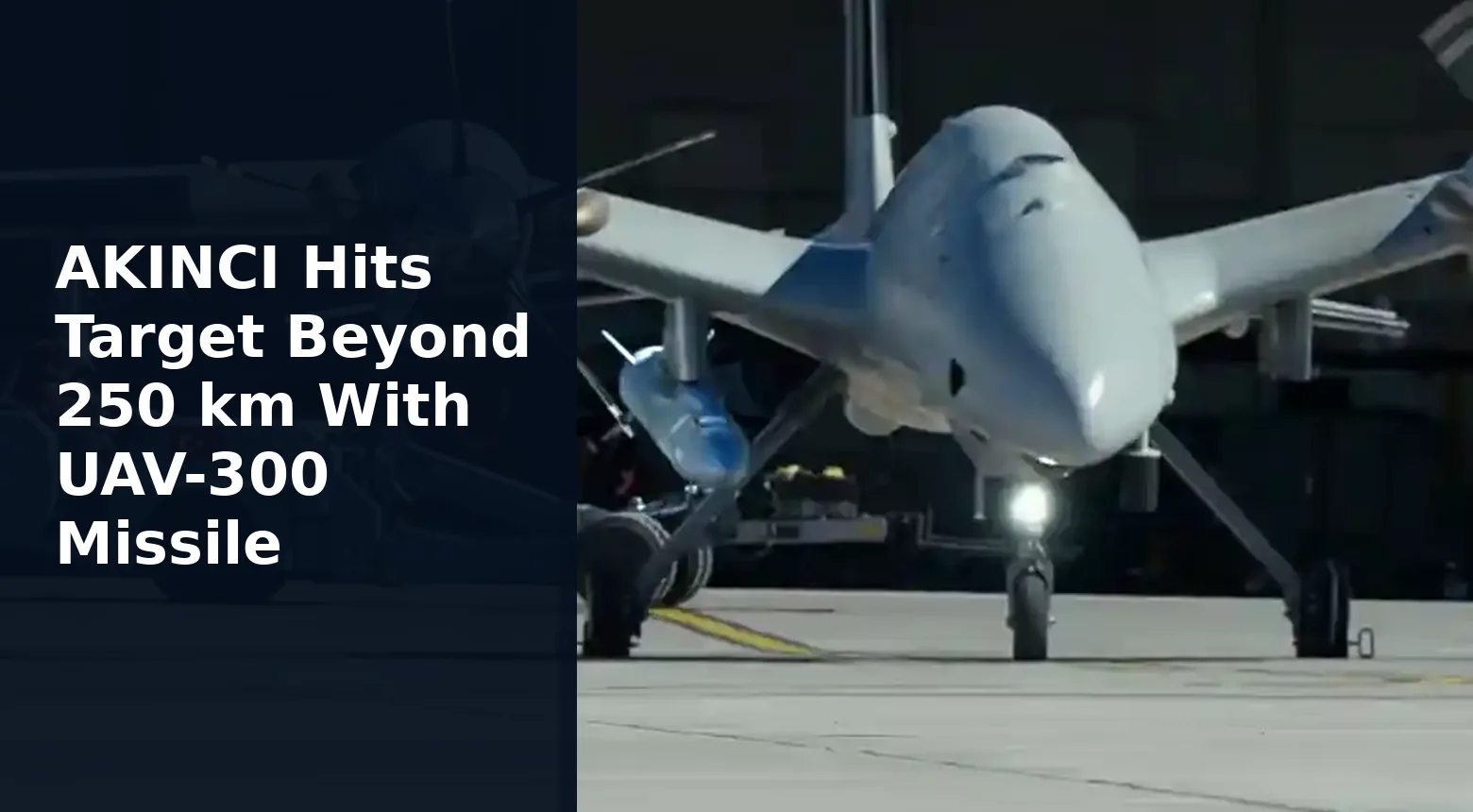
Öztekin additionally discussed longer-term prospects involving Bayraktar TB3, AKINCI and KIZILELMA, including an ambition to deploy larger numbers of smaller unmanned aircraft from future carrier platforms. Those references are an indication of the company's technology roadmap. They are not evidence that such large-scale launches have already been completed from KIZILELMA or that the required platform integrations have entered service.
Taken together, the announcements show the company exploring multiple ways to distribute unmanned effects across air and maritime platforms. Each remains subject to its own evidence of integration, qualification and customer approval, rather than being established by a demonstration elsewhere in the product family.
Industrial Capacity and the Programme's Supply Chain
Öztekin's TRT Haber interview also addressed manufacturing. He said Skydagger had met an earlier annual FPV-drone production objective of 120,000 units and was pushing towards 150,000–160,000 units. He described approximately 11 principal components in the company's drones, with nine currently made in-house. These are management statements reported in the interview; an independently audited full-year production figure was not provided.
Manufacturing scale can influence the feasibility of affordable expendable aircraft programmes, but a reported annual factory output should not be confused with signed procurement orders, customer acceptance or the capacity of an individual ship to carry such systems. The 120,000 and 150,000–160,000 figures concern the firm's wider production activity, not the TOYCA naval test programme specifically.
The company's industrial work also includes the MDF500 containerised FPV drone factory, recently examined by Defence Agenda. MDF500's claimed monthly output above 500 FPV drones refers to a separate mobile manufacturing concept and cannot be added directly to, or substituted for, the ship-launched TOYCA proposition. These initiatives are commercially related, but their published capacities and readiness levels describe different products.
A purchaser evaluating an eventual naval system would need a firmer account of configuration control, logistics support, maintenance, training, replenishment and the integration responsibilities of the shipbuilder, vessel operator and aircraft supplier. Public details about cost, contracting parties, production allocation and delivery schedule have not been released for the proposed TCG Anadolu trial.
Operational Potential and Limitations
A naval deployment concept could offer greater flexibility in where an unmanned system begins its mission, but the announcement does not quantify that benefit or establish the effect on fleet readiness. A maritime environment introduces programme requirements that may not be visible in promotional footage or a land demonstration, and the publicly disclosed plan leaves several important acceptance questions unanswered.
Skydagger has described TOYCA as capable of continuing a coordinate-driven mission after a communications link is lost. The company has also highlighted resistance to interference. These statements are relevant to the rationale for the project, yet public reporting does not establish independent, representative maritime validation. They should not be treated as a guarantee of mission success in all contested environments.
There is also a procurement alternative to consider: vessels already operate with, or are being assessed for, different forms of embarked unmanned aviation. A specialist expendable aircraft would have to demonstrate that its practical benefits justify any additional integration, maintenance and safety requirements. A promising concept can still face significant acquisition and operating constraints once it is evaluated on a specific platform.
The strongest statement supported by the available evidence is therefore narrower than an announcement of a new fielded capability. Skydagger has outlined an intended shipboard test of TOYCA, while the Turkish defence industry has already demonstrated separate airborne drone-carriage work. Whether those efforts become a repeatable naval service capability depends on future test and acquisition decisions.
Implications / Next: Evidence to Watch
The next verifiable milestone would be an official announcement that TOYCA actually departed TCG Anadolu during a defined test. Follow-on evidence should distinguish a launch or take-off from a completed mission, and should identify whether the approximately 70 km target scenario was achieved. An explicit programme statement would also help confirm the exact TOYCA variant tested.
Beyond the first sortie, observers should look for validated shipboard integration milestones, a clearly identified responsible authority, repeat trials, customer acceptance documentation and any contract covering production or support. In the absence of those records, schedules and force-structure implications remain speculative.
As of 9 November 2026, the decisive development is a publicly stated plan for a naval TOYCA demonstration, not confirmation of a successful engagement from TCG Anadolu. That distinction allows the programme's genuine industrial ambition to be recognised without converting an upcoming test into an accomplished operational result.