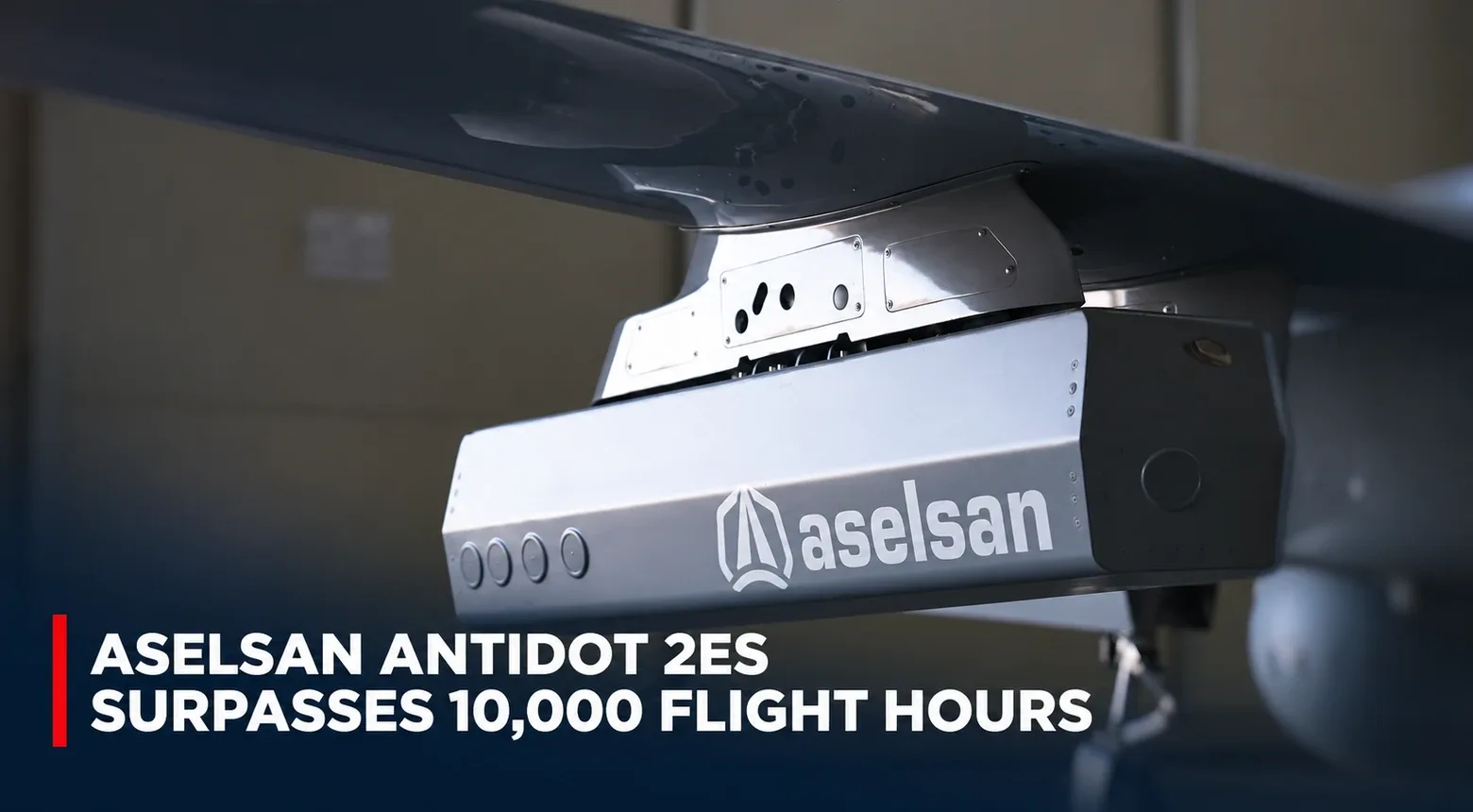
ASELSAN ANTIDOT 2ES, an airborne electronic support pod developed in Türkiye, has exceeded 10,000 cumulative flight hours, according to reports published on 28 November 2026. The milestone, reported by Anadolu Agency and TRT Haber, follows the product's first delivery in 2025 and its integration across five Turkish uncrewed aircraft types. For aerospace programme managers, the reported figure provides an indication of accumulated service and development experience, although it does not establish a quantified reliability or mission-success rate.
ANTIDOT 2ES flight experience and platform integration
The ANTIDOT 2ES 100 is part of ASELSAN's airborne electronic warfare portfolio. The manufacturer’s product description identifies it as an electronic support system intended to collect and characterise radio-frequency emissions. Electronic support is distinct from electronic attack: the former concerns observation and assessment of electromagnetic signals, while the latter involves active effects on other systems. The November milestone relates specifically to the electronic support pod and should not be attributed to other members of the ANTIDOT family.
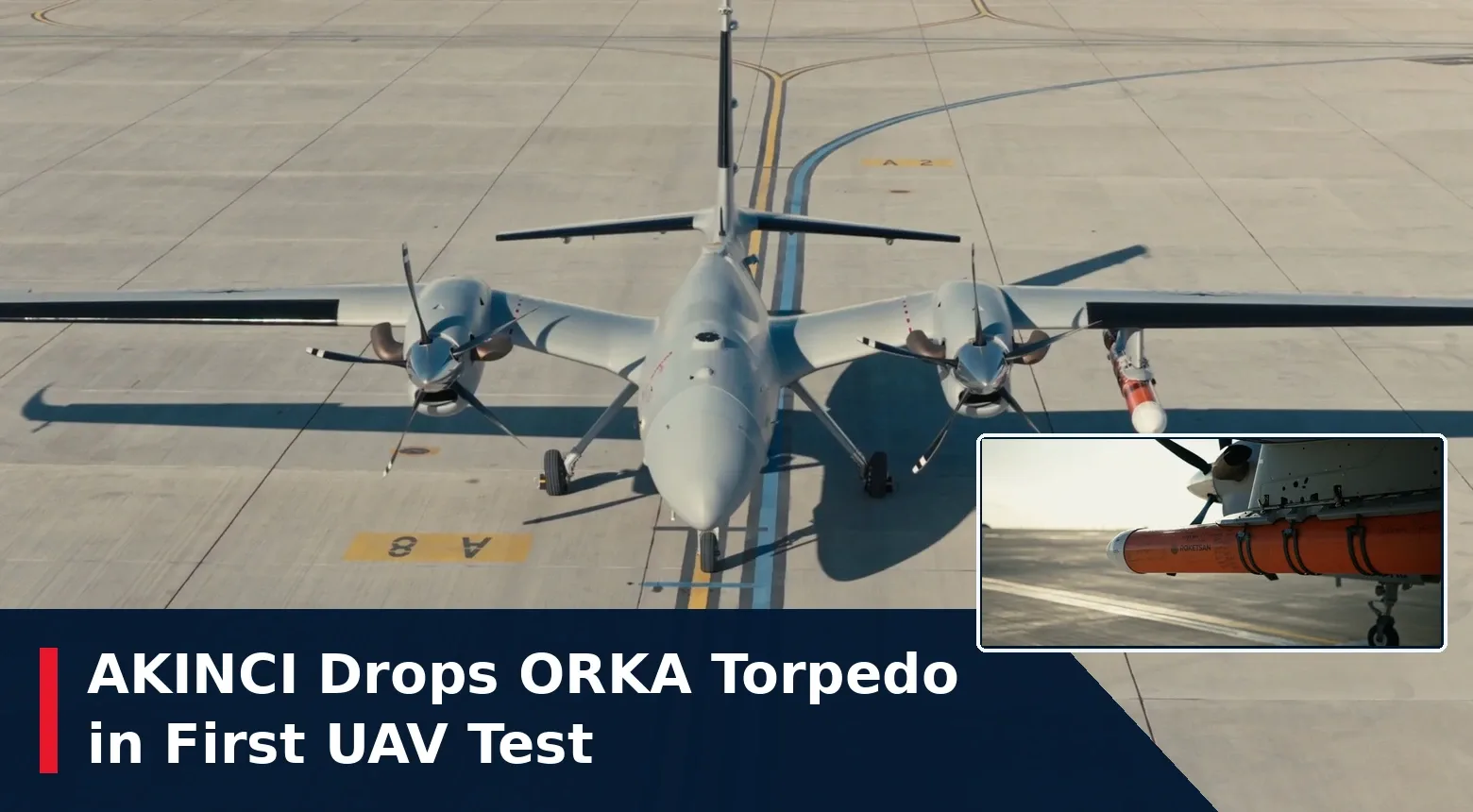
Reporting identifies three Baykar aircraft — Bayraktar TB2, TB3 and AKINCI — alongside Turkish Aerospace's ANKA and AKSUNGUR. These are five platform types, not a disclosed count of aircraft or pods in service. The reporting also describes a design emphasis on limited mass and electrical consumption. Those characteristics are relevant to aircraft integration because additional equipment competes with other onboard systems for available weight and power. No independently measured endurance impact or platform-by-platform breakdown of flight hours was published in the sources reviewed.
The Demirören News Agency report dates initial delivery to 2025. Earlier programme context is provided by ASELSAN's 18 September 2026 announcement of integrated electronic warfare and surveillance trials, which described a demonstration involving the ANTIDOT electronic support and electronic attack products as well as FULMAR 200 radar. That demonstration is a separate milestone from the November flight-hour announcement. Defence Agenda previously covered the TB2 demonstration involving ANTIDOT and FULMAR 200. The new cumulative figure provides a different perspective on the product's development history, without replacing the evidence from individual trials.
Flight experience can provide manufacturers with opportunities to observe equipment behaviour over time and improve maintenance arrangements. Nevertheless, aggregate hours alone do not reveal how frequently equipment required repair, whether all recorded flights involved the same hardware configuration, or how the total was divided between testing and customer use. A large cumulative total is therefore best understood as an exposure measure rather than a complete measure of product reliability. The public reporting does not provide the underlying records needed to calculate such indicators.
Programme maturity, industrial implications and next steps
From an industrial perspective, integration across several aircraft families points to the importance of cooperation between mission-equipment suppliers and airframe manufacturers. Common equipment can potentially reduce the diversity of support arrangements, but the extent of commonality depends on each approved configuration, the contractual allocation of support responsibilities and the availability of qualified personnel. Public information does not establish whether the five aircraft types share identical certification or maintenance arrangements.
ASELSAN's wider portfolio has also been discussed in Defence Agenda's coverage of its electronic warfare presentation at MSPO 2026. The reported ANTIDOT milestone is consistent with a continuing industrial emphasis on airborne electronic equipment. It is not, however, evidence of an additional export order or a specific expansion in production capacity. Neither the number of delivered units nor the financial value of the relevant contracts was disclosed in the November reports reviewed.
For customers comparing suppliers, cumulative hours are only one element of a broader assessment. Evidence of product availability, documented configuration control, maintenance quality, supply continuity and independently assessed compliance with contractual requirements is also relevant. A long record of use may be commercially meaningful without establishing that one product is superior to another. No comparable dataset was available to support a ranking of competing systems.
Implications / Next: Further public disclosures on deliveries, formal customer acceptance and product support would help clarify the relationship between accumulated flight experience and sustained industrial maturity. The immediate verified news is the reported passage of the 10,000-hour threshold, rather than a new procurement decision. No additional delivery date or future qualification milestone has been confirmed in the sources reviewed.
Further Reading
- Anadolu Agency — ANTIDOT flight-hour milestone
- TRT Haber — ANTIDOT 2ES exceeds 10,000 flight hours
- DHA — Initial deliveries and reported flight experience
- ASELSAN — ANTIDOT 2ES 100 product information
- ASELSAN — Integrated EW and ISR demonstration
- Defence Agenda — TB2 Demonstrates ANTIDOT and FULMAR 200
- Defence Agenda — ASELSAN at MSPO 2026