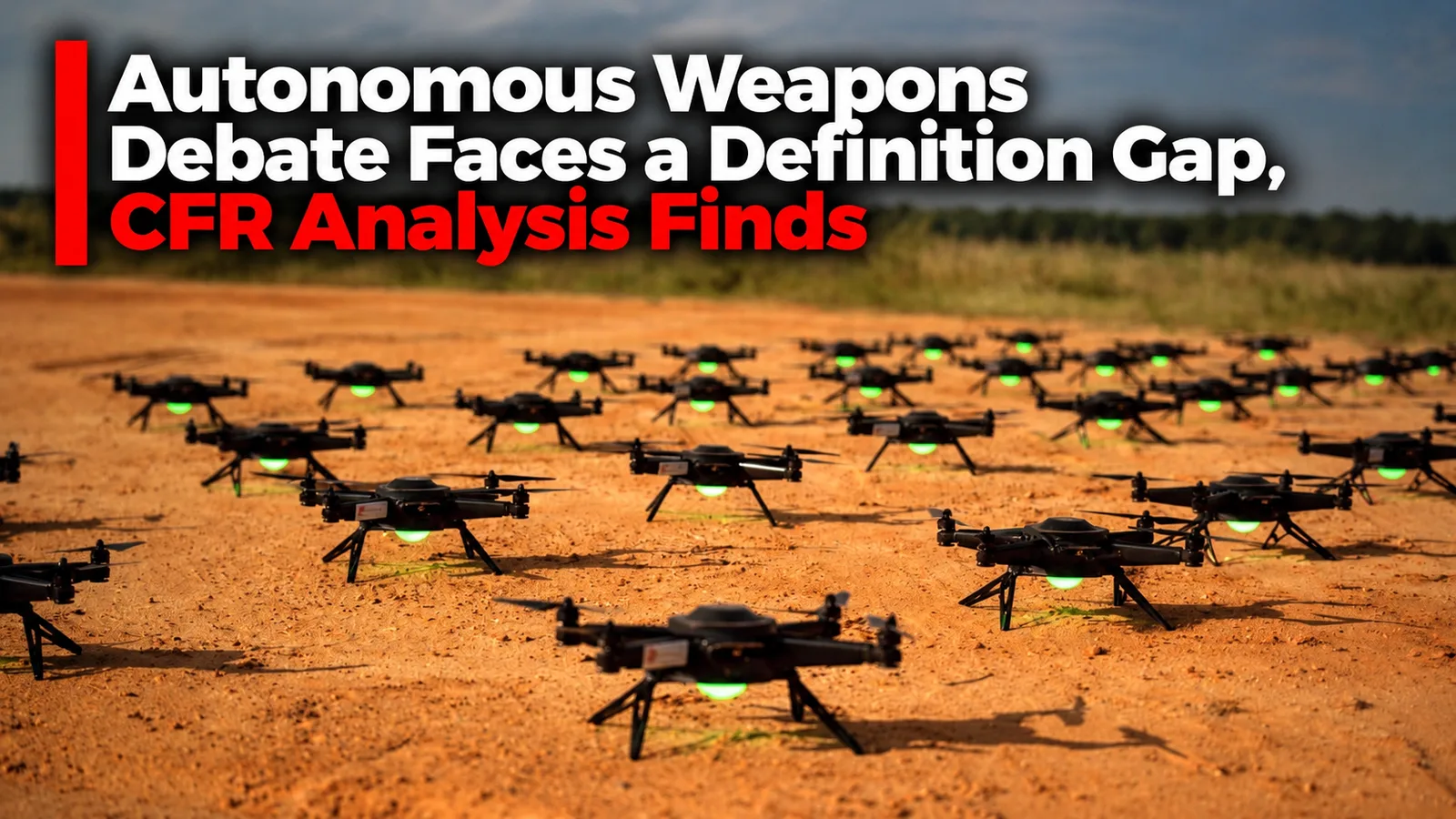
A 14 October analysis published by the Council on Foreign Relations argues that the autonomous-weapons debate needs a more precise technical vocabulary before governments can regulate the systems effectively. Michael C. Horowitz, a CFR senior fellow, and Lauren Kahn, a researcher at Georgetown University’s Center for Security and Emerging Technology, propose examining how a weapon selects and engages a target and whether a human can intervene, instead of treating autonomy as a simple yes-or-no property.
The proposed framework divides weapon systems into five categories. It is an analytical recommendation by the authors, not a new U.S. government rule, an institutional CFR policy position or an agreed international legal definition. It arrives as autonomous navigation, onboard vision software and electronic-warfare-resistant operation become increasingly important to military platforms.
Five Categories Replace the Autonomous-or-Not Binary
Horowitz and Kahn distinguish three basic functions: target selection, target engagement and post-activation human supervision. Their resulting taxonomy consists of unguided weapons; supervised semi-autonomous weapons; unsupervised semi-autonomous weapons; supervised autonomous weapons; and unsupervised autonomous weapons. These are functional categories, not a numerical grading of the sophistication of the artificial intelligence involved.
An unguided projectile receives no machine guidance after firing. A semi-autonomous system is pointed at or assigned a target by a human, then uses onboard technology to engage it. In the authors’ usage, an autonomous system can select as well as engage a target after a human activates the weapon. The supervised-versus-unsupervised distinction asks whether the operator can monitor, stop or redirect it before impact.
That split matters because two weapons might appear equally “automatic” to a casual observer while allocating the critical engagement decisions differently. A conventional guided missile that homes on a human-selected target is not necessarily in the same category as a weapon released into an area to select a target matching a programmed profile.
Naval Close-In Defences Show Why Supervision Matters
The CFR authors use naval close-in weapon systems as an example of supervised autonomy. In an automatic defensive mode, a system such as CIWS can select and engage incoming threats on timescales too short for individual human firing decisions. The operator can nevertheless monitor the engagement and deactivate the system.
The same analysis points to some fire-and-forget guided missiles as systems that receive a human-defined target before launch but lack a post-launch human override. A policy that simply requires a data link and manual interruption for every weapon would therefore sweep in some long-established weapons, even though their target-selection arrangements differ from those of autonomous target-hunting systems.
Autonomous Flight and Autonomous Use of Force Are Different Questions
Both the CFR authors and the International Committee of the Red Cross emphasize the importance of the targeting function. A drone may navigate itself, recover aboard a ship or hold formation using onboard software without having authority to choose whom or what to attack. Conversely, a weapon using a comparatively simple sensor-based algorithm might select and strike a target with no further operator input.
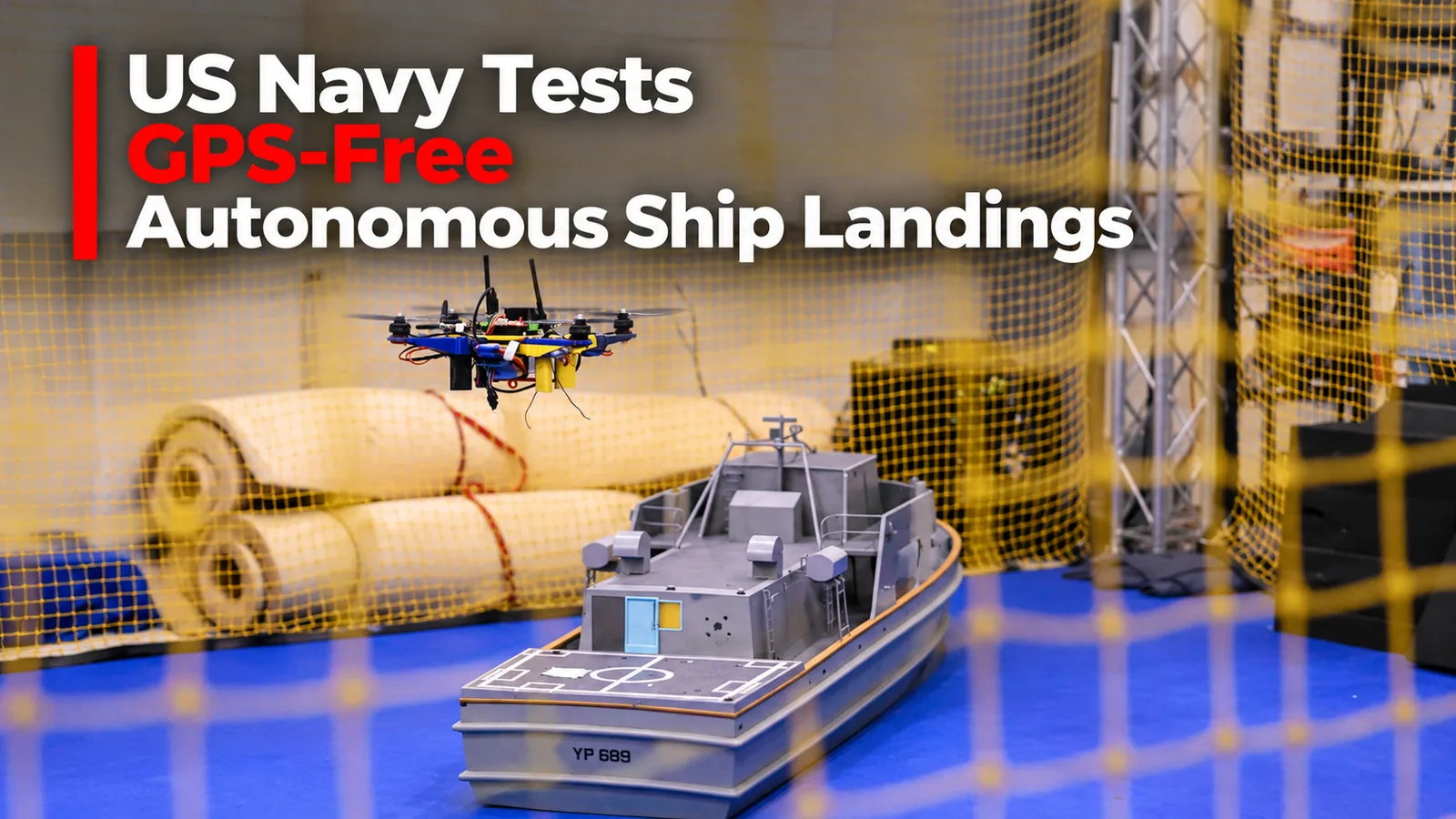
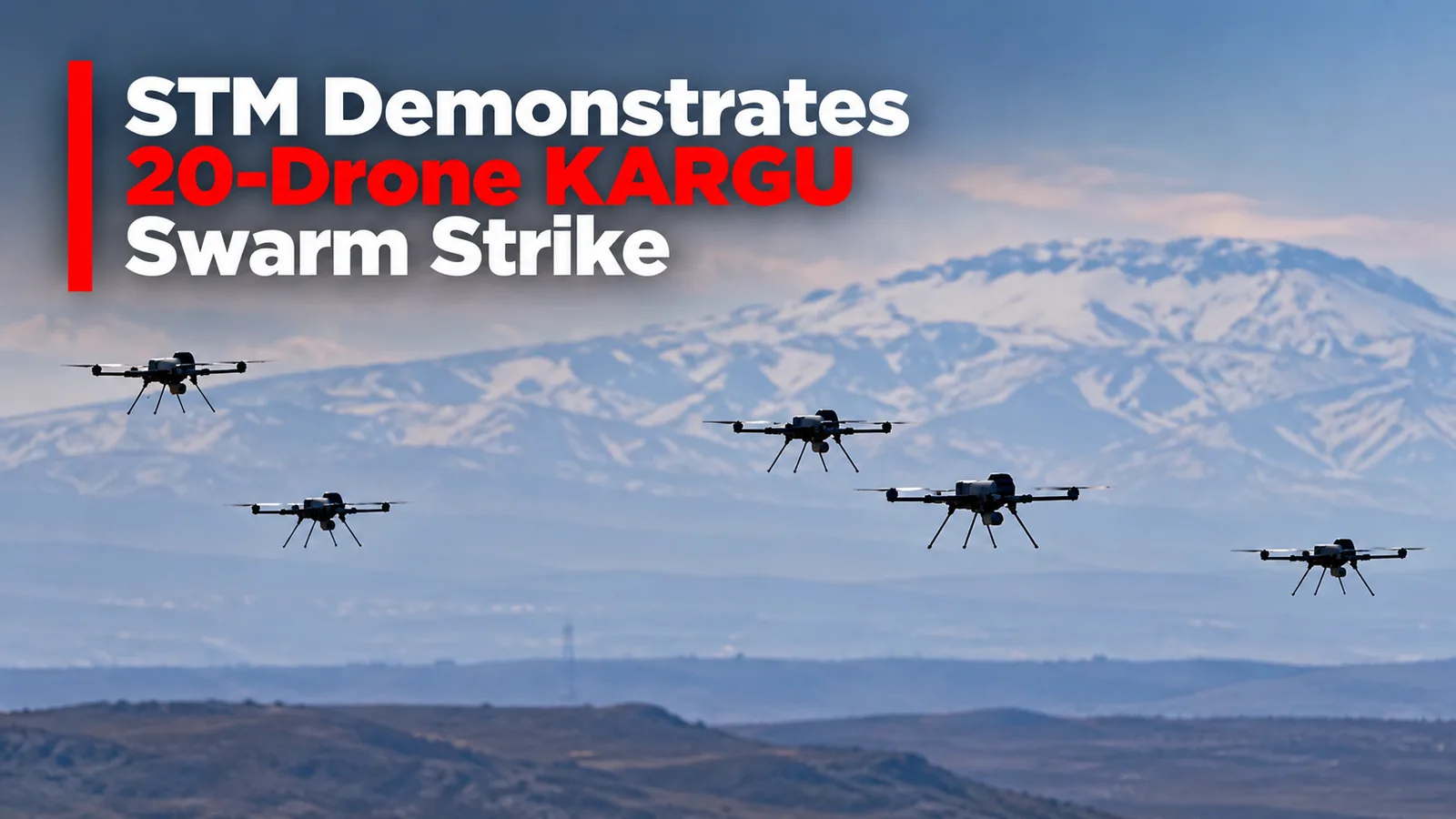
That is a useful distinction for interpreting military demonstrations. Research into GPS-independent shipboard landing is autonomy in navigation and recovery, not by itself autonomous weapons release. Similarly, a multi-drone swarm operating under one human supervisor may automate routing and coordination without a public demonstration establishing exactly how legal target selection and engagement authority are allocated.
AI Decision Support Is Not Automatically an Autonomous Weapon
A second distinction concerns systems that help commanders process sensor data, propose targets or organise the wider targeting workflow. Such tools may incorporate machine learning or large language models, but they are not necessarily weapons capable of applying force. In the CFR account, the operational decision to employ force and the subsequent behaviour of a specific weapon must be assessed separately.
The authors argue that a narrow computer-vision model running onboard a small platform can be more relevant to autonomous engagement than a general-purpose language model. They also caution that introducing broad generative-AI capabilities can greatly expand the testing and evaluation burden. This is their assessment of current military applicability, not a finding that such AI can never be used in weapons.
The United Nations Still Has a Negotiating Text, Not a Final Definition
The issue extends beyond Washington. In a 2026 working paper under the Convention on Certain Conventional Weapons, negotiators considered a functional characterization of lethal autonomous weapon systems centred on identifying, selecting and engaging targets without human intervention during those tasks. The paper records discussions and competing concerns about its scope, including whether it might unintentionally include existing homing weapons.
The document reflects progress in how states are describing the technology, but it is not a concluded treaty or universally binding definition. The CFR argument therefore addresses a live regulatory problem: lawmakers need terms that are broad enough to encompass genuinely problematic delegation of lethal decisions, while precise enough to distinguish systems with materially different operating modes.
The ICRC Calls for Stronger Legal Limits on Human-Control Loss
The International Committee of the Red Cross frames the same subject around autonomous weapons’ ability to select and apply force without human intervention. In guidance updated on 8 October 2026, it states that weapons autonomy need not rely on artificial intelligence and that remotely piloted armed drones are not automatically autonomous weapons.
The ICRC also takes a more prescriptive regulatory position than the functional taxonomy alone: it advocates new legally binding rules prohibiting unpredictable autonomous weapons and systems designed or used to target people, with strict operational restrictions on other autonomous weapons. Its concern is that human operators may be unable to anticipate a machine-selected target or reliably assess distinction, proportionality and precautions in a changing environment.
The distinction between these views is substantive but not necessarily contradictory. A better technical taxonomy can clarify which capabilities a rule covers; humanitarian organisations then ask which of those capabilities should be prohibited or restricted. The CFR proposal does not settle the legal and ethical threshold for acceptable human control.
U.S. Policy Already Requires Testing and Human Judgement
The U.S. Department of Defense’s Directive 3000.09, reissued in January 2023, sets policy for autonomous and semi-autonomous weapon systems. It requires appropriate levels of human judgment over force and emphasizes realistic verification, validation, test and evaluation, safety measures and understandable human-machine interfaces. Certain systems also require senior review before development or fielding.
These requirements are distinct from the CFR authors’ five-category model. A label is useful only if it helps officials assess what the system can do, what an operator can control, and whether its likely behaviour is sufficiently predictable for the intended operating environment.
Electronic Warfare Is Making the Distinction Operationally Urgent
The CFR authors identify contested communications as one reason battlefield autonomy is becoming more attractive. If jamming interrupts a drone’s connection to its operator, onboard software may allow it to continue a previously authorised mission, navigate to a designated area or carry out target-related functions. But loss of a data link alone does not establish which category the weapon belongs to; the mission logic and target-selection authority still have to be established.
For procurement agencies and developers, that creates specific questions about system assurance: which functions run autonomously, how target recognition is bounded, what happens after communications loss, what conditions trigger termination, and whether a supervisor can intervene quickly enough. These are testable design and employment characteristics rather than claims about generic AI intelligence.
Implications for Procurement and International Regulation
Defence Agenda’s assessment is that the emerging challenge is not simply to count autonomous drones or to label a weapons programme “AI-enabled.” The more consequential requirement is an auditable division of authority between people and machines across mission planning, target nomination, target selection, engagement and abort functions.
The next regulatory milestones will be clearer language from the CCW negotiations, any legislative changes to U.S. oversight and evidence that new platforms can be tested against realistic target-identification errors, electronic warfare and civilian-harm risks. Horowitz and Kahn’s proposal supplies a framework for describing those systems; it does not remove the need to decide which uses should be permitted.