AUKUS defence technology partnership is becoming one of the most important security frameworks in the Indo-Pacific, linking nuclear-powered submarines with advanced defence technologies and industrial integration.
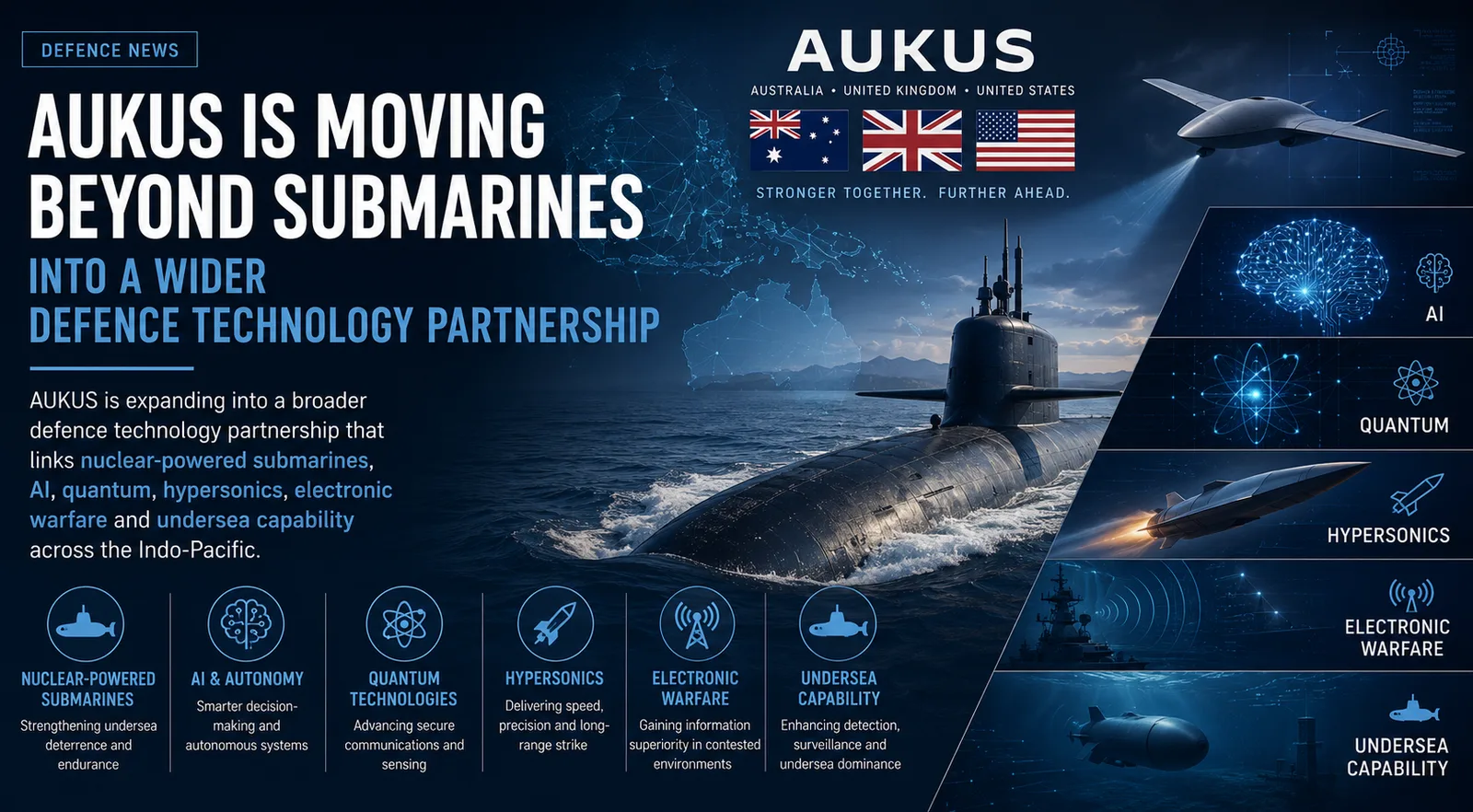
The partnership between Australia, the United Kingdom and the United States was announced in September 2021. A SAHA Blog analysis described AUKUS as a focused mini-lateral security partnership rather than a traditional alliance, with cooperation extending into cyber, artificial intelligence, machine learning, quantum technologies, hypersonics, counter-hypersonics, electronic warfare, undersea systems, innovation and information sharing.
That framing remains relevant today. AUKUS is no longer only a political announcement or a submarine deal. It is becoming a long-term mechanism for sharing sensitive technology, reshaping industrial capacity and building a stronger allied military position in the Indo-Pacific.
AUKUS Defence Technology Partnership Goes Beyond Submarines
The most visible part of AUKUS is the plan to help Australia acquire conventionally armed, nuclear-powered submarines. However, the strategic value of the partnership is broader.
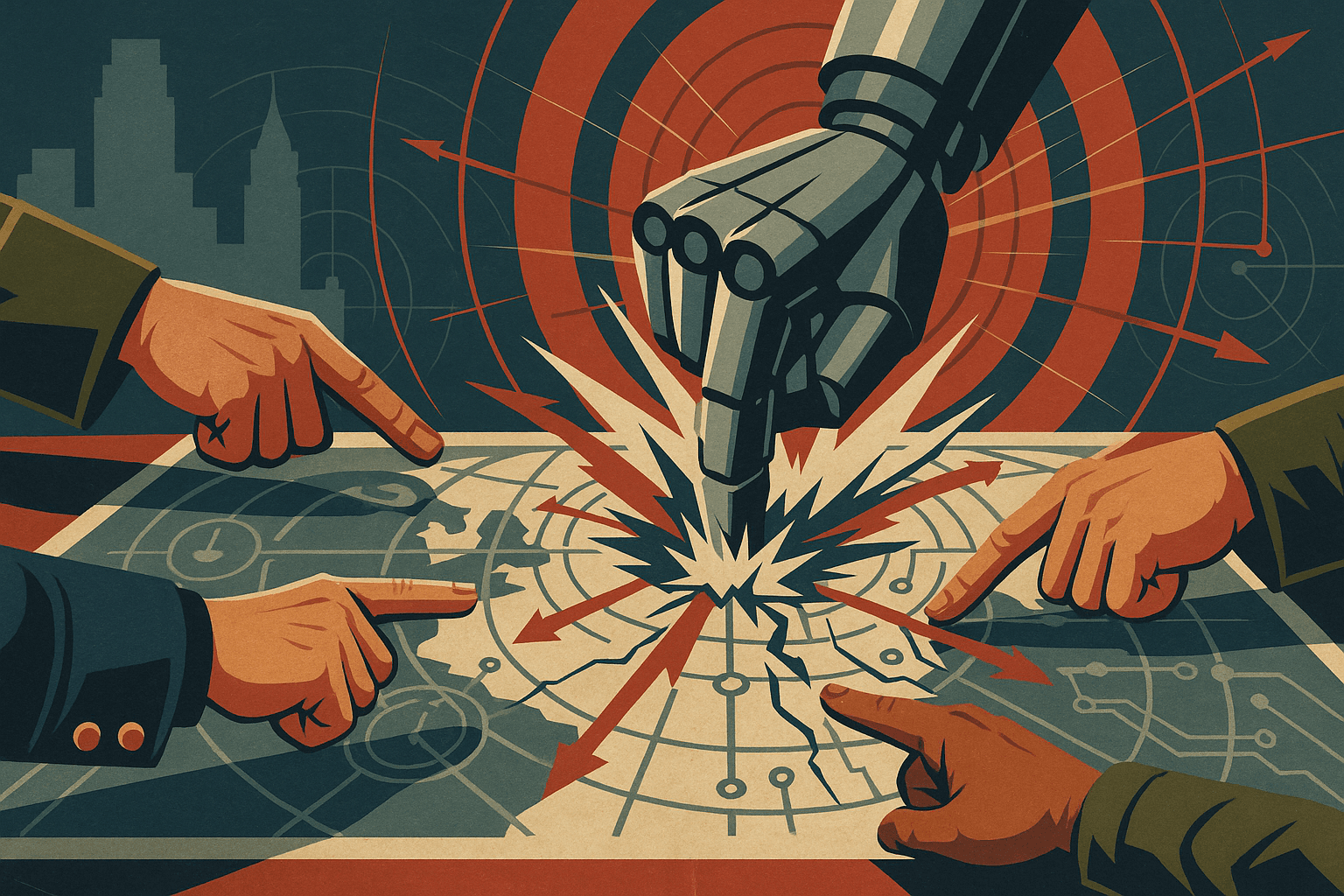
AUKUS creates a pathway for trusted states to cooperate on technologies that are normally restricted, classified or difficult to share. This includes naval nuclear propulsion, undersea warfare, artificial intelligence, quantum technologies, hypersonics, counter-hypersonics, cyber capabilities and electronic warfare.
In that sense, AUKUS is a test case for high-trust defence integration. If it succeeds, it could change how the United States works with its closest allies on advanced military technologies.
SSN-AUKUS Anchors the Undersea Deterrence Plan
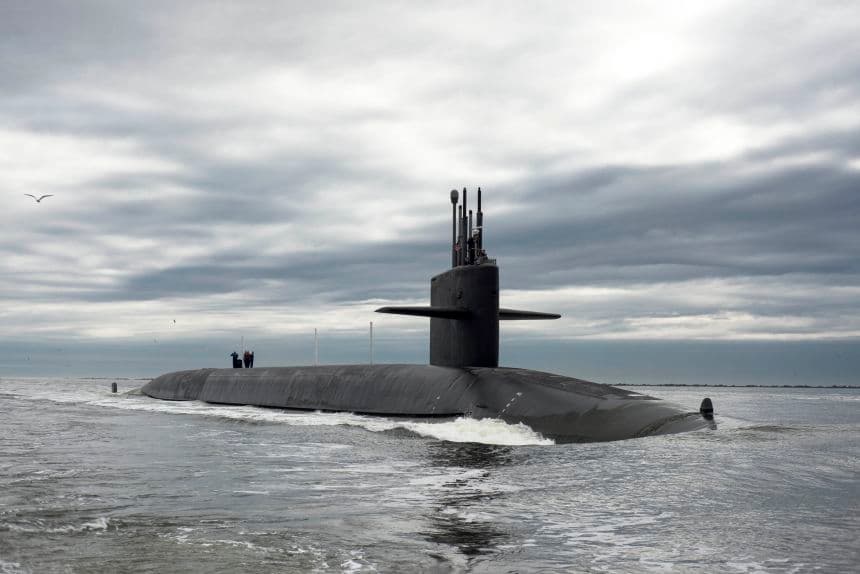
SSN-AUKUS is the core of AUKUS Pillar I. Australia’s official submarine agency says the future Australian submarines will be based on the UK’s next-generation design and will incorporate technology from all three countries, including advanced U.S. submarine technologies.
The pathway is intended to give Australia a sovereign nuclear-powered submarine capability. This would provide greater range, endurance and survivability than conventional diesel-electric submarines.
For the Indo-Pacific, this matters because undersea capability is central to deterrence. Nuclear-powered attack submarines can operate over long distances, monitor maritime chokepoints, support intelligence collection and complicate adversary naval planning.
AUKUS Turns Australia Into an Industrial and Operational Hub
AUKUS also changes Australia’s role in allied defence planning. Australia is not only a customer for submarines. It is becoming a sustainment, workforce, shipbuilding and operational hub for allied undersea presence.
The official pathway includes the development of Australian industrial capacity, training pipelines and future sustainment infrastructure. Australia has selected ASC and BAE Systems for key roles in building and sustaining its SSN-AUKUS capability.
This makes AUKUS a strategic “springboard” in the South Pacific and wider Indo-Pacific. It strengthens allied access, maintenance depth and long-range undersea operations from Australia’s geography.
Pillar II Moves the Partnership Into Advanced Capabilities
AUKUS Pillar II is where the partnership becomes a broader defence technology platform. Australia’s Department of Defence describes Pillar II as a mechanism for converting advanced technology into timely military capability.
The focus areas include quantum technologies, electronic warfare, hypersonics and counter-hypersonics. These fields matter because future military advantage will depend on sensing, speed, decision superiority, secure communications and resilient systems in contested environments.
This is why AUKUS should be understood as more than a submarine acquisition pathway. It is also a shared innovation structure for technologies that can shape future warfare.
Advanced Exercises Show Pillar II Is Becoming Practical
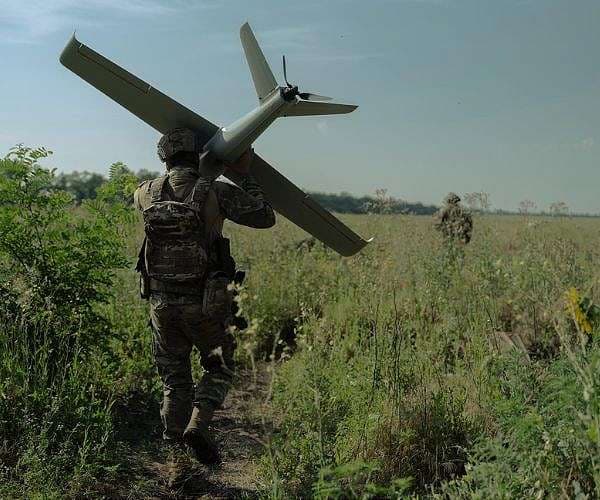
AUKUS Pillar II is moving from concept to demonstration. During Exercise Talisman Sabre 2025, AUKUS partners showcased advanced technologies across areas including artificial intelligence and autonomy, electronic warfare, maritime operations, quantum clocks and undersea warfare.
This is important because the hardest challenge for emerging defence technologies is operational integration. A technology may work in a laboratory, but it must also work in military exercises, command chains, field conditions and joint operations.
By testing these technologies in exercises, AUKUS partners can identify integration gaps earlier and accelerate practical adoption.
China Remains the Strategic Context
AUKUS was not officially presented as an anti-China alliance. However, the strategic context is clear. The partnership emerged as the balance of power in the Indo-Pacific became more contested, especially across maritime routes, undersea domains and advanced military technologies.
China criticised the pact after its announcement, while European governments, especially France, reacted strongly because Australia cancelled its previous conventional submarine programme with France.
The diplomatic shock around the French submarine cancellation showed that AUKUS was not only a military decision. It reshaped alliance politics, defence-industrial relationships and Europe’s view of Indo-Pacific strategy.
France and Europe Still Matter in the Indo-Pacific
The original SAHA Blog analysis correctly noted that France is an Indo-Pacific actor with territories, citizens and strategic interests in the region. This remains an important point.
AUKUS strengthened the Australia-UK-U.S. axis, but it also created friction with a European ally. For NATO and Western defence cooperation, that lesson matters. Advanced minilateral partnerships can move faster than broad alliances, but they can also create political costs if major partners are excluded.
The long-term challenge will be balancing speed and inclusivity. AUKUS may deliver sensitive capabilities faster, but Europe’s role in the Indo-Pacific cannot be ignored.
Export Controls and Information Sharing Are Critical
AUKUS depends on sensitive technology sharing. That makes export controls, classified information management and intellectual property central to the partnership’s success.
The problem is not only technical. Defence companies must be able to move controlled technology, protect commercial data, share classified material and work across three national regulatory systems.
If AUKUS can solve these barriers, it could create a model for trusted allied industrial integration. If it cannot, the partnership may face delays despite strong political support.
Private Industry Will Decide the Pace
Government strategy alone will not deliver AUKUS. Private industry will decide much of the pace. Shipbuilders, nuclear specialists, combat-system suppliers, software firms, quantum companies and electronic-warfare providers will all be part of the delivery chain.
This creates opportunities for large primes and specialised suppliers. However, it also creates pressure on workforce, infrastructure, certification, security clearance systems and supply-chain qualification.
For Australia, the challenge is especially large. Building a nuclear-powered submarine enterprise requires decades of industrial development, skilled labour and regulatory maturity.
Mini-Lateralism Could Become the Future of Defence Cooperation
AUKUS is a leading example of mini-lateralism in defence. Instead of building a large formal alliance, three trusted countries created a focused partnership around specific high-value capabilities.
This model could become more common. Advanced technologies often require speed, trust and narrow governance. Smaller groups can sometimes move faster than large multilateral institutions.
However, mini-lateralism has risks. It can create exclusion, political friction and overlapping structures. Therefore, AUKUS must show that small-group capability cooperation can strengthen wider allied security rather than fragment it.
AUKUS as a South Pacific Springboard
The question in the original SAHA Blog headline remains relevant: is AUKUS a springboard in the South Pacific?
The answer is increasingly yes, but not only because of submarines. AUKUS turns Australia into a platform for undersea operations, technology integration, sustainment and allied deterrence. It also links Australia more deeply to UK and U.S. industrial and military planning.
That gives the partnership strategic depth. It extends allied reach into the Indo-Pacific while creating a defence technology network that could shape future operational advantage.
Conclusion
The AUKUS defence technology partnership is no longer only about Australia receiving nuclear-powered submarines. It is a wider experiment in trusted technology sharing, industrial integration and Indo-Pacific deterrence.
SSN-AUKUS will be the most visible symbol of the pact. Yet Pillar II may become just as important if it accelerates practical capabilities in AI, autonomy, quantum, electronic warfare, hypersonics and undersea systems.
The partnership’s success will depend on execution. AUKUS must overcome export-control barriers, workforce shortages, industrial bottlenecks, technology-integration risks and diplomatic friction. If it succeeds, it could become a model for the next generation of allied defence cooperation.
For further Defence Agenda coverage, read our Indo-Pacific, naval warfare and defence technology sections. Related analysis includes aircraft carrier drones and naval airpower, the UK Storm Fighter CCA programme and ITAR-free defence products in Europe.