Lockheed Martin said on 23 September 2026 that it plans to invest $8–9 billion to expand U.S. munitions production, with spending across more than 20 sites and the supply base supporting PAC-3 MSE, THAAD, Precision Strike Missile and AIM-260 JATM. The programme-wide investment is intended to increase capacity and delivery speed as U.S. and allied demand strains existing missile-production infrastructure.
The investment spans multiple missile families and more than 20 sites
Lockheed described the capital plan as a production-enterprise investment covering supply-chain enhancements, expanded manufacturing capacity, new facilities, advanced technologies and workforce growth. The company tied the effort to commercial-style agreements with the U.S. Department of Defense intended to raise output of four high-demand missile families over several years.
The $8–9 billion figure is therefore not a single procurement award and should not be added to the face value of individual missile contracts. It is Lockheed Martin’s stated investment range for industrial expansion. Separate government contracts determine actual missile quantities and deliveries, and several of those programmes use multi-year or IDIQ structures that do not obligate their full ceilings at award.
Commercial manufacturing methods are being pulled into missile supply chains
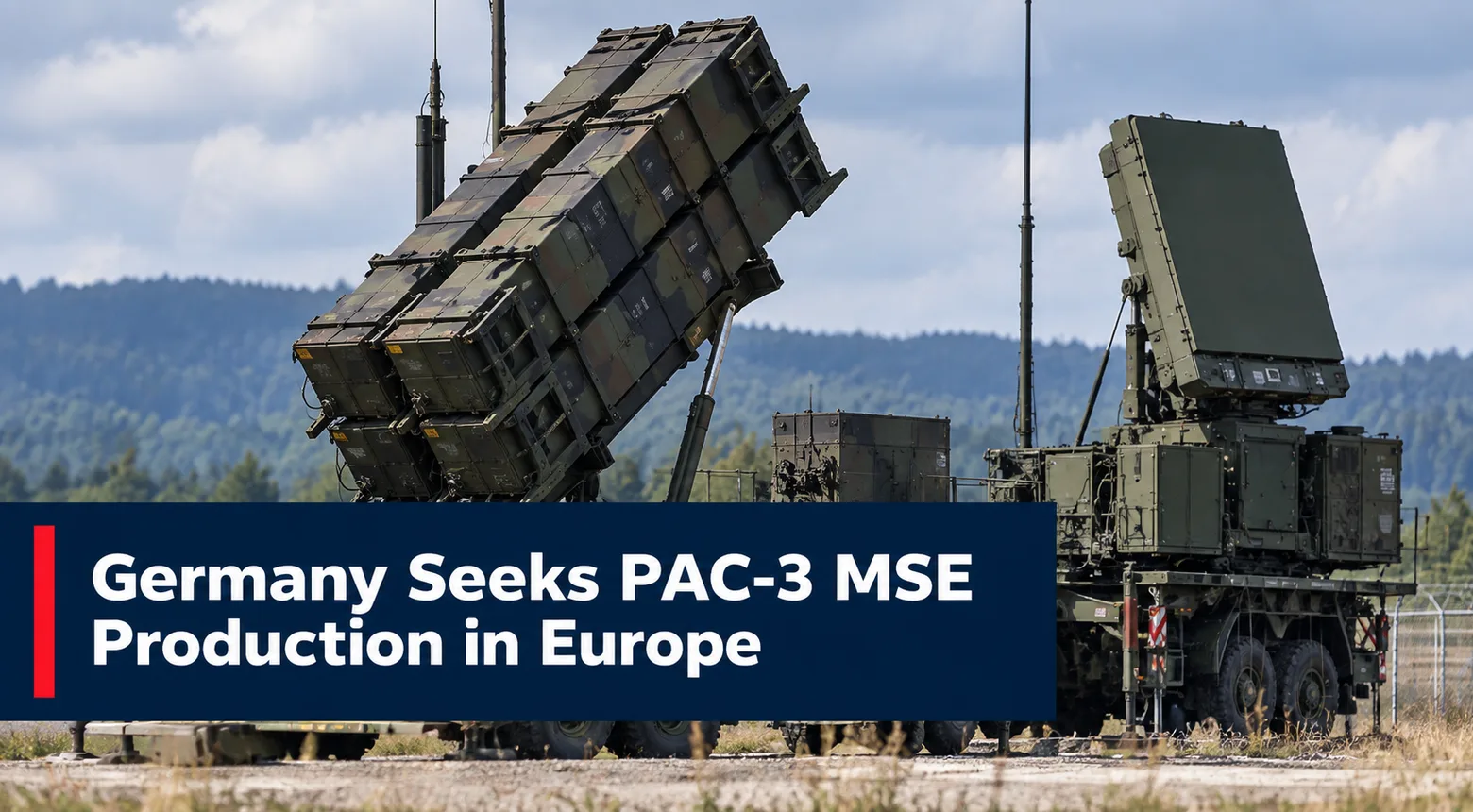
One visible example is Lockheed Martin’s work with GM Defense on PAC-3 MSE components. Reuters reported that Lockheed received an initial batch of critical components from GM Defense 22 days after an August agreement, illustrating the Pentagon’s effort to bring automotive-style production expertise and second-source capacity into a missile supply chain historically dependent on more specialised defence suppliers.
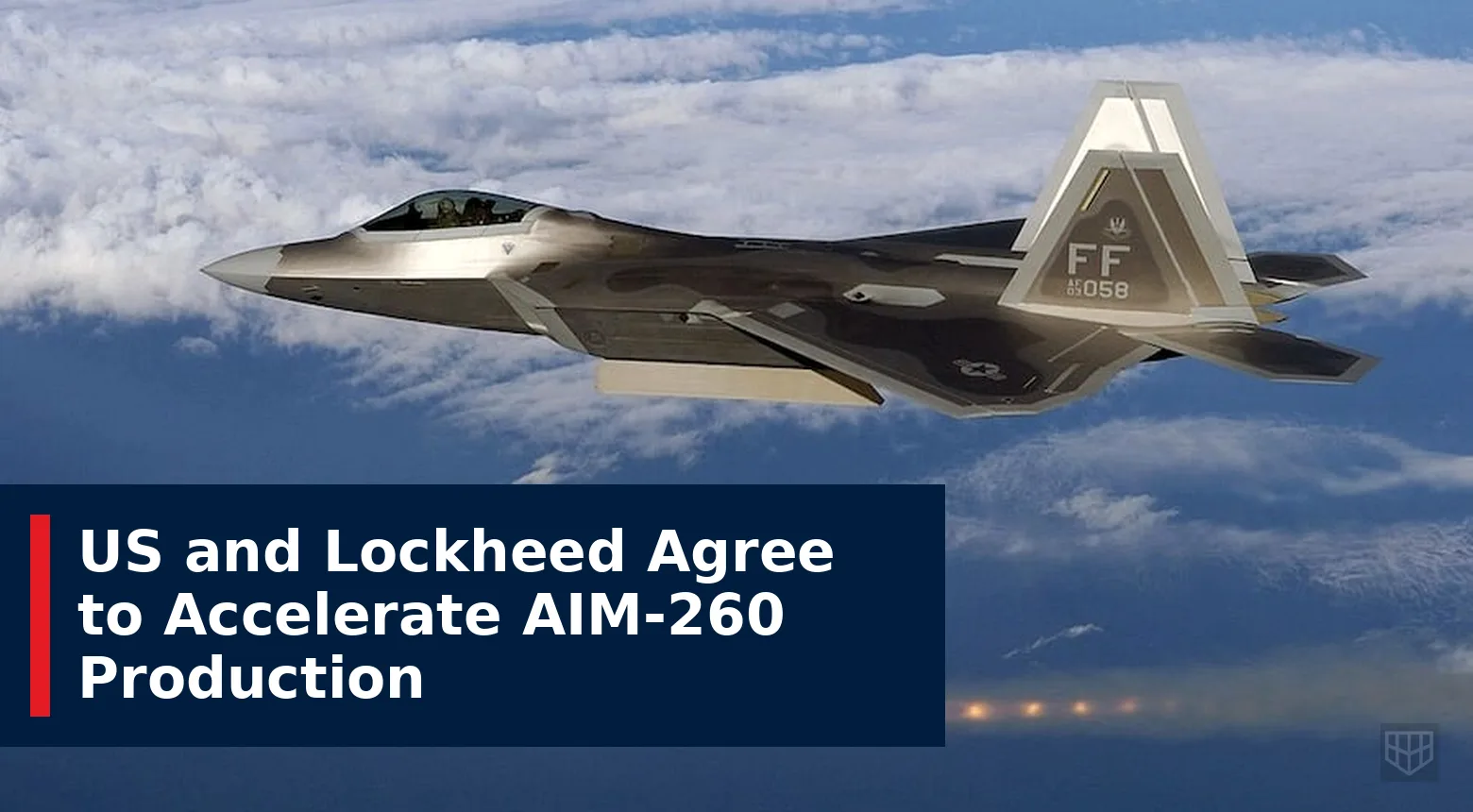
Lockheed’s 17 September agreement to accelerate AIM-260 JATM production provides another data point. The company and the Department of Defense signed a framework intended to raise production of the classified long-range air-to-air missile. Framework agreements can shape future capacity and procurement, but they are not equivalent to a single fully funded production lot.
Industrial capacity is becoming a programme variable of its own
For programme offices, the shift means production capacity, tooling, workforce and supplier qualification now sit alongside missile performance and unit cost as critical programme risks. A missile cannot be operationally relevant at scale if bottleneck components, test infrastructure or specialised labour constrain delivery.
The next evidence to watch will be production-rate milestones and supplier qualification rather than headline investment alone. Lockheed has said the spending will support higher output across multiple missile lines, but each programme will progress on its own schedule and contractual path. Defence Agenda therefore treats the $8–9 billion announcement as an industrial-capacity commitment, not as proof that all planned output increases have already been achieved.
Different missile lines will scale at different speeds
Although Lockheed groups PAC-3 MSE, THAAD, PrSM and JATM under the same industrial-investment narrative, the four programmes have different suppliers, test requirements, customers and production histories. A common corporate investment programme can fund facilities and supplier development across the portfolio, but programme managers should not assume that capacity added for one missile automatically transfers to another. Specialised propulsion, seekers, energetic materials and guidance components can create programme-specific bottlenecks.
The company’s use of commercial manufacturing partners is intended to attack some of those constraints. GM Defense’s rapid delivery of PAC-3 components demonstrates that qualified commercial suppliers can sometimes shorten lead times for parts that do not require uniquely defence-only production methods. The harder challenge is expanding capacity in components with limited suppliers or long qualification cycles.
This is why the most meaningful metrics will be annual deliveries, accepted production-rate increases and the number of qualified second sources. Capital expenditure can create the physical conditions for growth, but procurement authorities still need funded demand signals to justify sustained output. Lockheed’s $8–9 billion plan shows that industry is willing to invest ahead of some future demand; follow-on contracts will reveal how much of that planned capacity becomes persistent rather than temporary.
Implications / Next
Key milestones are validated production-rate increases, additional supplier qualification, new facility commissioning and contract actions that convert capacity into funded missile deliveries.