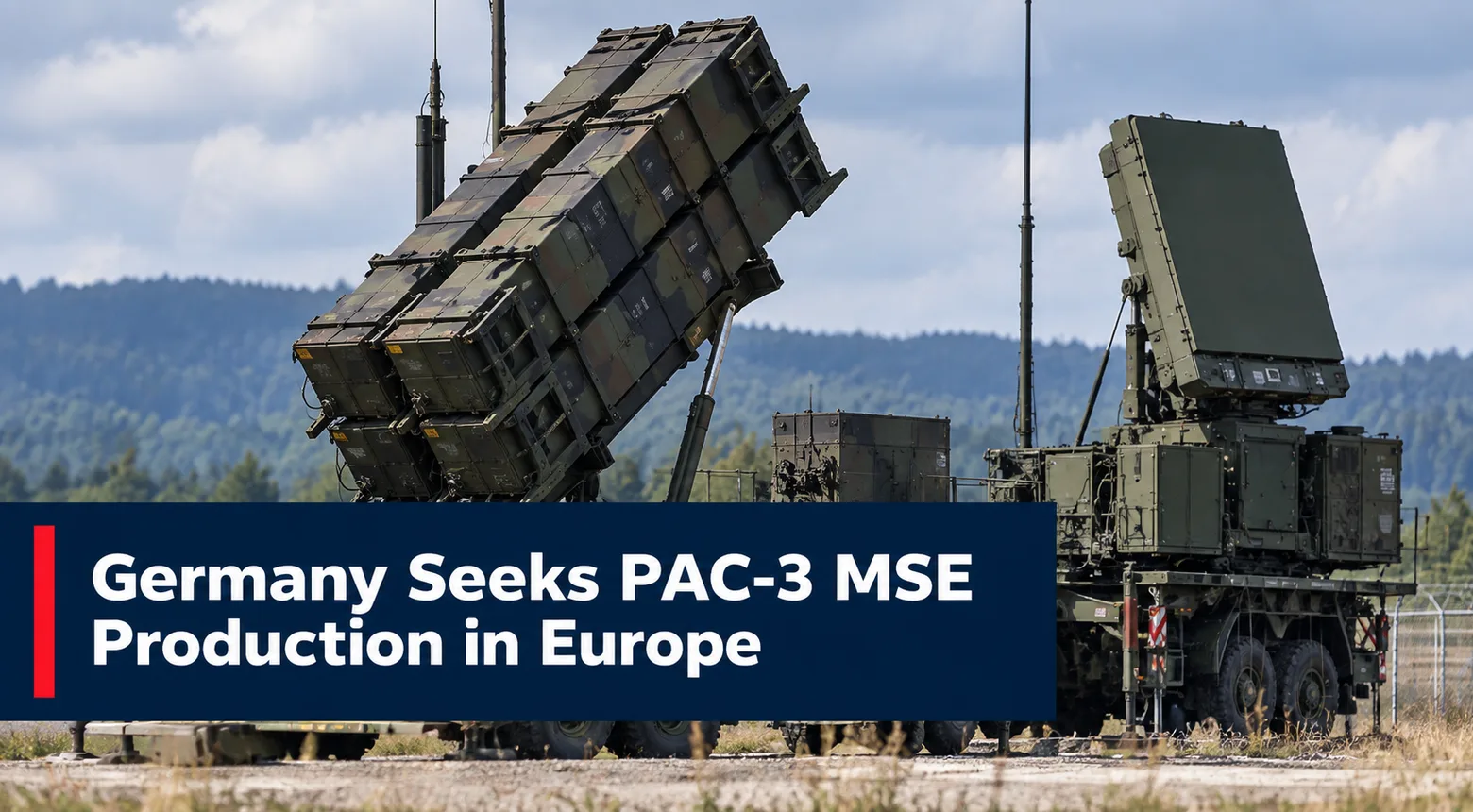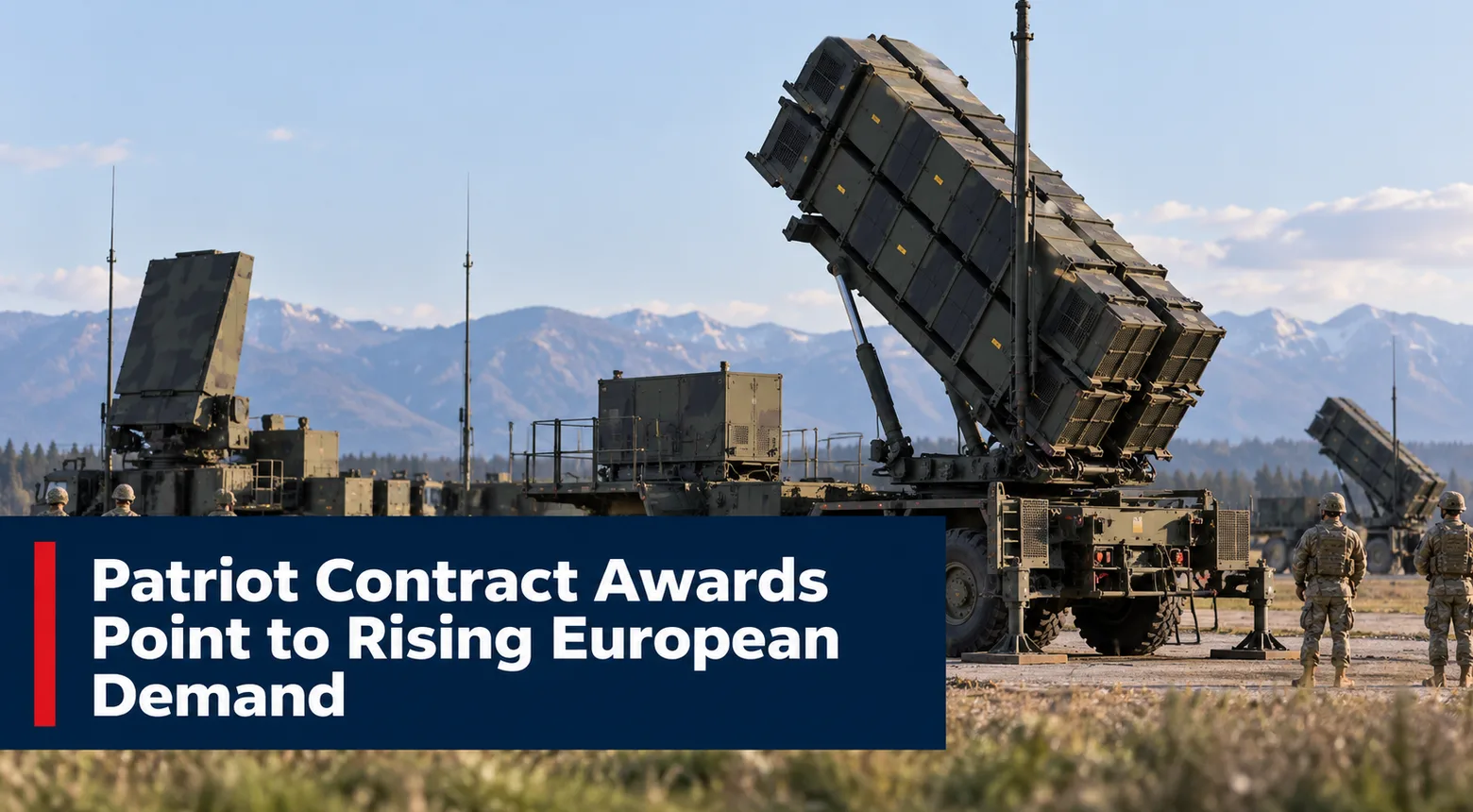
Recent Patriot awards are reinforcing the pressure on Raytheon and its European partners to expand production capacity for air-and-missile-defence systems and interceptors. An RTX overview highlighted a $3.7 billion GEM-T contract for Ukraine and a $627 million Dutch equipment contract, illustrating how European demand is translating into both procurement and new industrial infrastructure.
The demand signal spans interceptors and complete system elements
The Patriot demand picture is not limited to missile replenishment. RTX said the Netherlands awarded Raytheon a $627 million direct commercial sales contract covering Patriot radars, launchers and command-and-control stations, while a separate $3.7 billion contract covers GEM-T interceptors for Ukraine. Spain has also ordered additional Patriot fire units, and Germany and other European users continue to invest in the system.
Those contracts are separate legal and financial instruments. They should not be combined into one programme value, and the dates of award differ. What they demonstrate collectively is sustained demand across both effectors and the wider fire-unit architecture.
European production is becoming part of the response
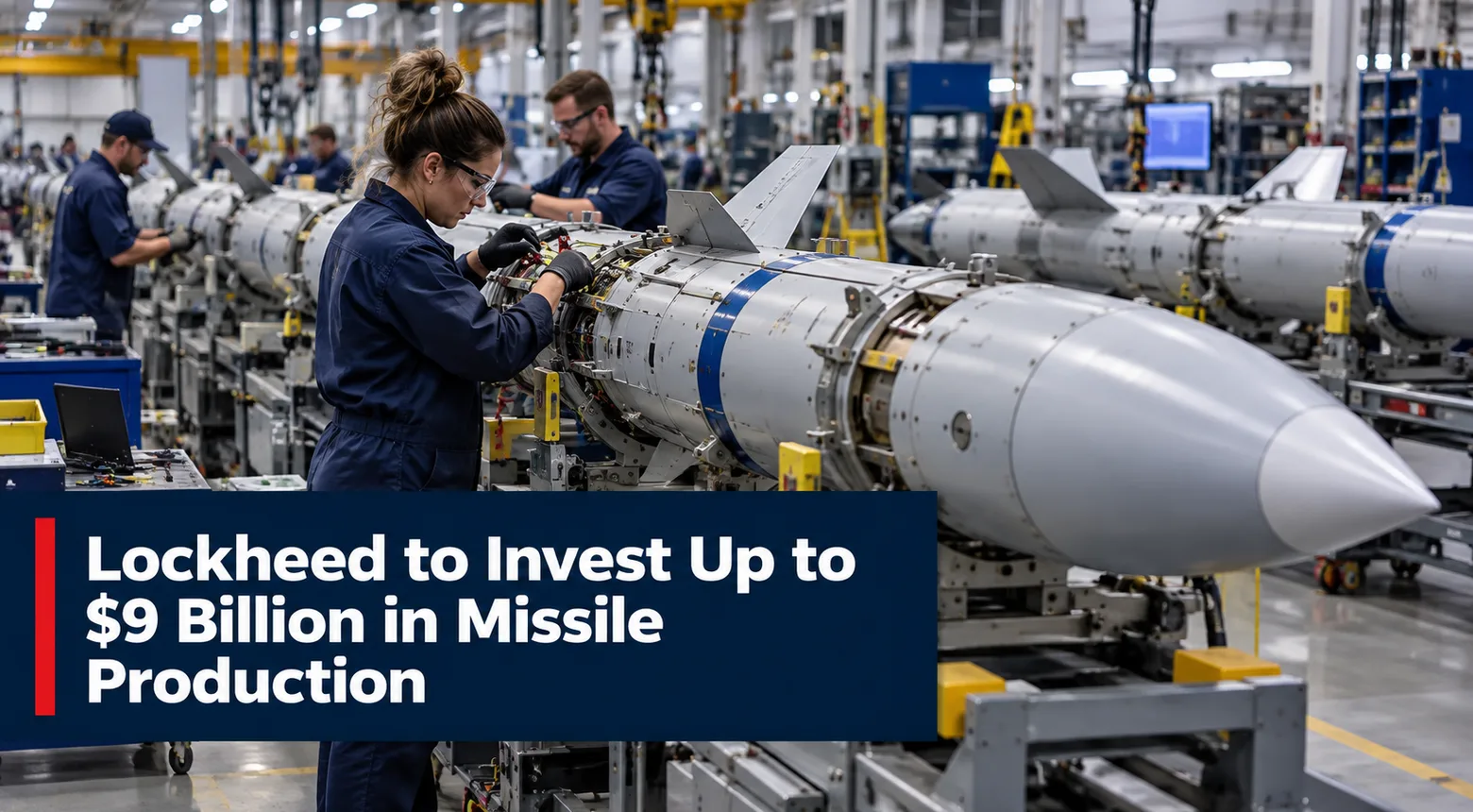
Raytheon has linked higher demand to production investment, including a new GEM-T production facility in Schrobenhausen, Germany operated through COMLOG, the Raytheon-MBDA Deutschland joint venture. The facility is intended to support the Ukraine contract and other orders while making the supply chain more resilient.
This industrial dimension matters because Patriot users compete for interceptors, launchers, radars and specialised components. Increasing European production can shorten some supply paths and broaden industrial participation, although it does not remove dependence on the wider U.S.-anchored Patriot enterprise and export-control framework.
Patriot demand also exposes the economics of layered defence
Defence Agenda has previously noted that Europe’s reliance on high-end systems such as Patriot creates an aggregate capacity problem when many allies seek the same interceptors at the same time. Patriot remains highly relevant against ballistic and cruise-missile threats, but it is not economically efficient to use top-tier interceptors against every lower-cost drone or air-breathing threat.
That is why procurement trends increasingly combine Patriot with lower-cost counter-UAS, short-range air defence and European interceptor programmes. The practical consequence is that Patriot production growth is necessary but not sufficient: European air defence will depend on how effectively high-end interceptors are integrated into a layered architecture.
Capacity expansion is now part of the procurement decision
European buyers are increasingly evaluating air-defence systems not only by interceptor performance but also by production capacity, delivery lead times and the resilience of the supporting industrial network. Patriot’s large installed base provides interoperability and support advantages, but it also concentrates demand on shared suppliers. That makes factory expansion and multinational procurement mechanisms central to readiness.
The German GEM-T production initiative is one response to that pressure. Localising part of production in Europe can add capacity and reduce some logistics dependencies, while also giving European governments a stronger industrial stake in the programme. It does not, however, make Patriot a fully European system or remove dependence on U.S. technology, programme governance and other critical components.
For procurement offices, this means the relevant question is increasingly how quickly an order can be supported through production and sustainment over time. Large contract values can signal demand, but they do not by themselves show annual delivery rates or magazine depth. Future reporting should therefore track production milestones, accepted deliveries and replenishment schedules alongside contract announcements. That approach avoids mistaking procurement intent for fielded inventory. It also makes clear why interceptor production, radar availability, launcher deliveries and trained crews must be assessed together when measuring effective air-defence capacity.
Implications / Next
Watch production milestones at COMLOG, delivery schedules for the Netherlands and Ukraine contracts, and additional European Patriot orders. The current story reflects accumulated demand signals, not one new consolidated contract.