
DSEI 2025: Defence Trends & Commercial Outlook

This report surfaces the most visible DSEI 2025 defence trends: autonomy and UAV ecosystems, layered counter‑UAS and directed energy, uncrewed and naval systems for MCM/ASW, rapid‑deployment ISR/radar kits, and deep‑strike/NLOS munitions. Headlines, sources, and dates are taken verbatim from the list; insights are grouped newest → oldest and translated into commercial implications.
MSPO 2025 Commercial Report: Deals, UAS & Fires

The MSPO 2025 commercial report shows a market pivoting around three forces: (1) Poland’s localisation drive and PGZ ecosystem expansion, (2) intense foreign OEM competition coupled with technology transfer offers, and (3) an operational pull from Ukraine that prioritises UAS/C-UAS and long-range fires. The feed of 26 May–9 September 2025 headlines reveals concrete moves—local rocket […]
MTU–GE expand LM2500 naval gas turbine pact

MTU Aero Engines and GE Aerospace will deepen their work on industrial gas turbines and push into naval propulsion. The focus is the LM2500 naval gas turbine. The higher‑power LM6000 will complement it. The plan aligns production, packaging and global MRO under a Germany‑anchored network. Announced on 8 September 2025, the move formalises a long […]
Ghost Bat Proves Cooperative Capabilities

Ghost Bat Proves Cooperative Capabilities Australia’s Collaborative Combat Aircraft (CCA) program hit a key milestone. Boeing Defence Australia and the Royal Australian Air Force (RAAF) finished the MQ‑28A Ghost Bat Capability Demonstration 2025 ahead of schedule. As a result, they validated MQ‑28A Ghost Bat cooperative capabilities across several mission sets. Moreover, the early finish moves […]
T‑STAR drone swarm boosts speed and safety
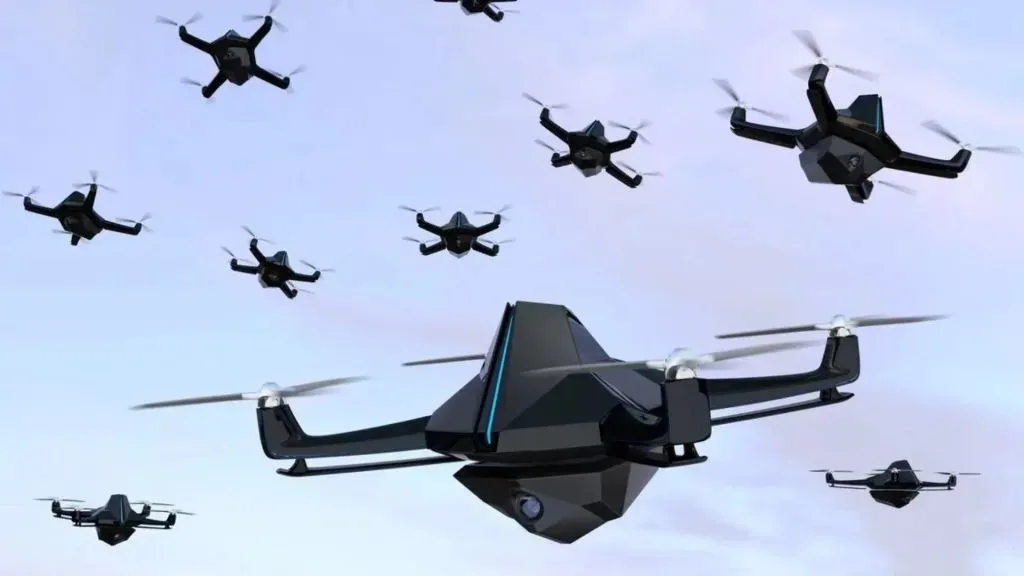
Durham University has unveiled T‑STAR drone swarm technology that promises faster, safer, and more coordinated multi‑UAV operations in complex environments. The research team says T‑STAR enables swarms to update trajectories in real time, avoid collisions without breaking formation, and keep mission tempo high even in obstacle‑rich airspace.[1]
China’s Type B Unmanned Stealth Fighter

China’s Type B Unmanned Stealth Fighter China’s latest parade in Beijing gave the clearest look yet at a new tailless combat drone dubbed Type B. The large, low‑observable airframe looks closer to a China unmanned stealth fighter than to a loyal‑wingman. Its J‑10‑like size hints at high performance and a push toward uncrewed air superiority.
AI in the Drone Industry: Operator 2.0

At the Commercial UAV Expo in Las Vegas (2–4 September 2025), senior leaders framed a decisive shift: AI in the drone industry is moving operators from stick-and-rudder piloting to system orchestration, data stewardship, and mission assurance. The outcome is a redefinition of skills, governance, and ROI: who “flies” the aircraft is now less relevant than […]
China Unveils LY‑1 Naval Laser | Directed‑Energy at Sea
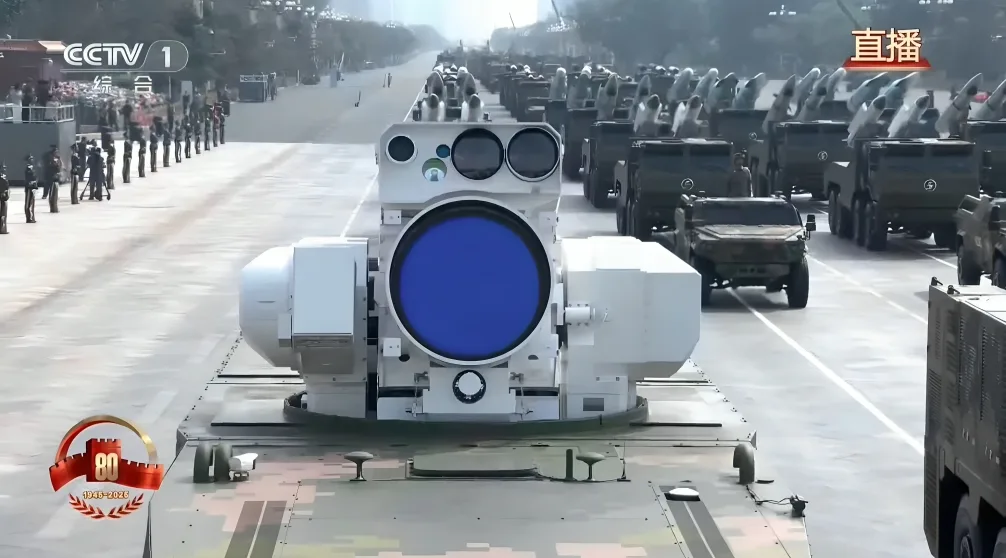
China has officially unveiled the LY‑1 naval laser during its largest victory day parade in Beijing. This marks the first public appearance of the LY‑1 naval laser, a system designed to provide shipborne directed‑energy defence against drones and precision missiles. Its debut signals China’s push to deploy naval laser technology as a cornerstone of future […]
Editorial Z-Report | 06.09.2025

Defence Agenda — Evening Brief End-of-day summary · Updated: 31 August 2025 · Europe/Istanbul (UTC+3) 5Top stories 3Programmes moving 2Budget/force structure 24hWatchlist Top Stories UAV swarms vs SHORAD Swarm–defence match-up enters a new test cycle; layered counters are shifting from point solutions to networked effects. Air & Missile Defence CapLink array and missile defence Link-budget […]
Japan Weighs TB2 vs Heron Mk2
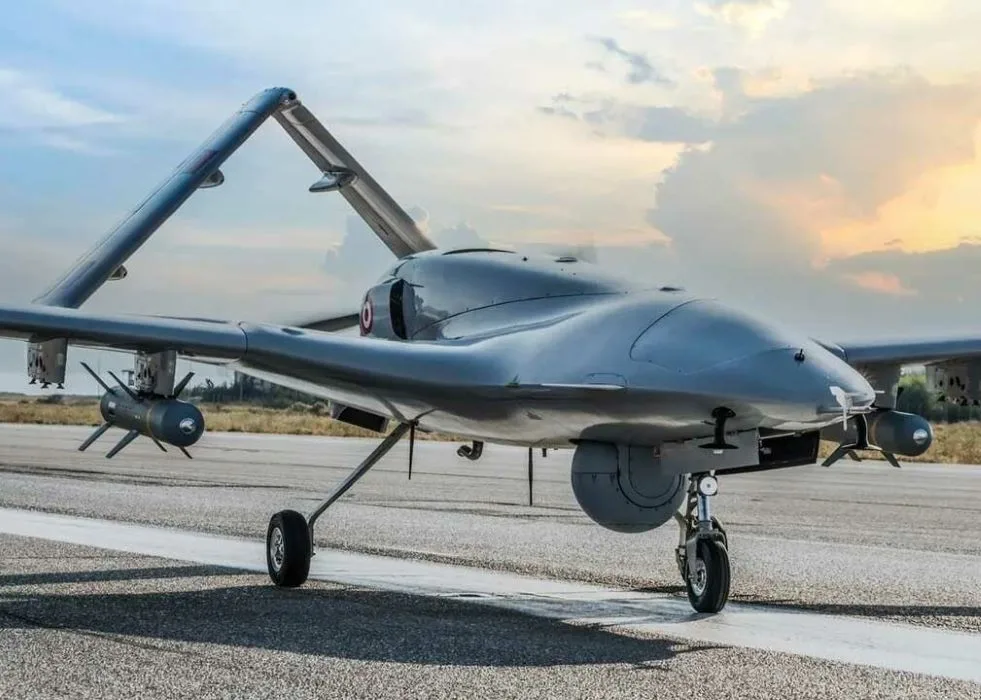
In short, Japan evaluates TB2 and Heron drones in a rare, direct head‑to‑head. The decision will shape how Tokyo blends strike, surveillance, and maritime deterrence across the Indo‑Pacific. Key Facts Test campaign: Japan recently completed evaluation of Israel’s Heron Mk2 and is now assessing Türkiye’s Bayraktar TB2, according to official briefings. Mission split: TB2 is […]
Army Signals Abrams M1E3 Production Push
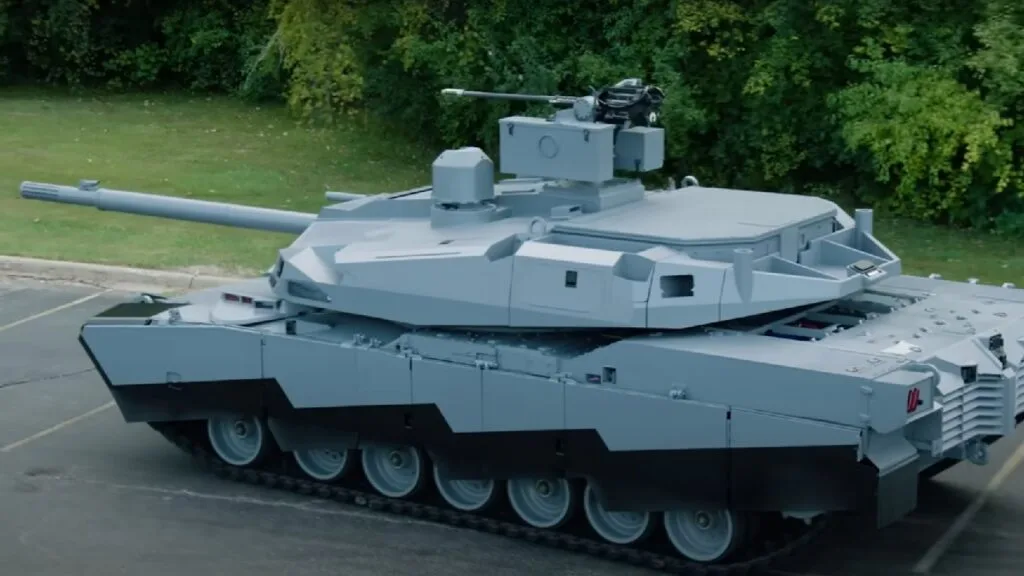
Army Signals Abrams M1E3 Production Push File photo: M1 Abrams. Credit: Matthew Oldham/DoD via Defence Blog. The U.S. Army has shifted from concept work to capacity planning for Abrams M1E3 production. It issued a market survey to test whether U.S. industry can scale the next Abrams main battle tank. The notice came from PEO Ground […]
China new generation weapons parade
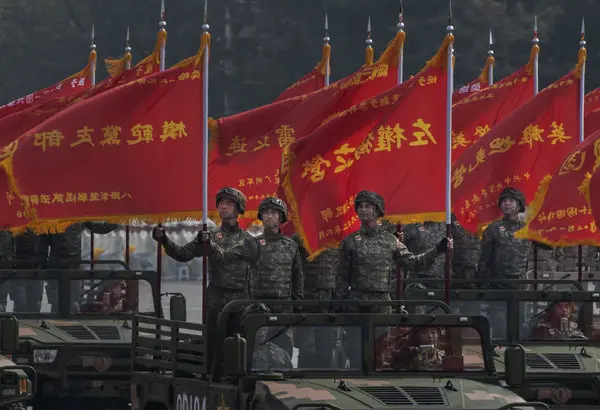
At the China new generation weapons parade, Beijing unveiled platforms spanning small arms, armor, hypersonics, air defense and nuclear delivery—signaling a fully networked, multi-domain PLA entering service now. Key Facts Why this parade matters China concentrated a decade of modernization into one broadcast moment. The China new generation weapons parade ties five threads together: survivable […]
China Nuclear Triad Parade: Beijing’s Signal

China’s 80th‑anniversary spectacle in Beijing was more than a commemoration. It served as strategic messaging. The China nuclear triad parade placed intercontinental missiles, cyberspace units, and “robot wolves” on one stage. Beijing aimed to show legacy mass and new‑age systems moving in lockstep. For NATO and Indo‑Pacific planners, the signal was clear and deliberate. Key […]
China unveils DF‑5C nuclear ICBM

China has formally introduced the DF‑5C nuclear ICBM to the public during a high‑profile military parade, presenting a silo‑based, liquid‑fueled intercontinental system that Chinese outlets describe as capable of “global‑covering” strikes. The debut places the DF‑5 family—long a pillar of Beijing’s strategic arsenal—back at the center of nuclear signaling, even as newer solid‑fuel missiles expand […]
China Debuts Swarm‑Capable USVs

China unmanned surface vessels took center stage at Beijing’s Victory Day parade, a highly choreographed reveal that framed autonomous maritime combat as a core element of the People’s Liberation Army Navy’s future order of battle.[1] The display, widely amplified by state media, underscored Beijing’s intent to normalize robotic platforms in contested waters and to bind […]
China shipborne unmanned helicopters debut

China has presented a new generation of shipborne unmanned helicopters, moving the capability from trials into fleet service and signalling a wider shift toward autonomous naval aviation. Why it matters now China shipborne unmanned helicopters are intended to launch stealthily from compact decks, coordinate autonomously over wide areas, and carry short‑range air‑launched munitions. For the […]
DoD Embraces Generative AI at Scale

Generative artificial intelligence is moving from test benches to the mission edge. As global threats evolve and budgets tighten, DoD generative AI now underpins faster decision cycles, leaner back‑office workflows, and improved digital readiness across services. This analysis distills what’s real today—automation of compliance paperwork, accelerated intelligence exploitation, and secure joint planning—and what still needs […]
Japan Defense Budget 2026: SHIELD
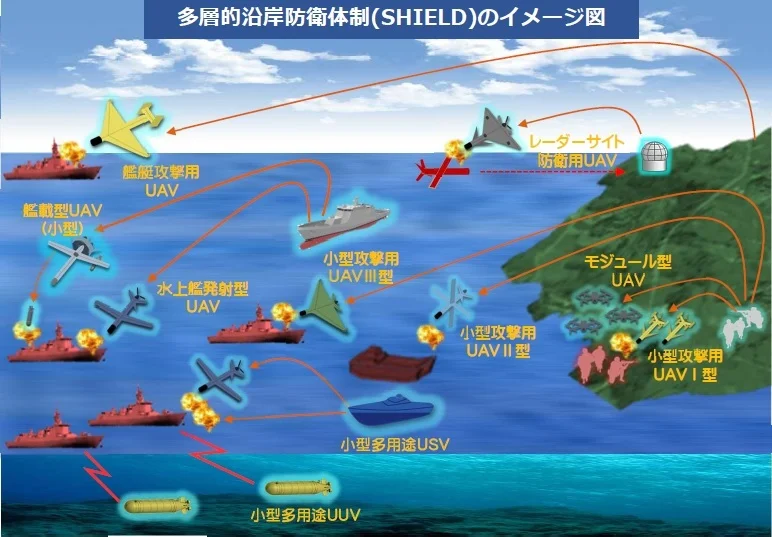
Japan defense budget 2026 sets a new record. It focuses on unmanned systems and long‑range munitions. The goal is simple: deny any amphibious incursion against the Nansei island chain. In practice, the plan shifts mass, sensing, and firepower toward cheaper platforms that scale fast.
NATO issues UAS Sense-and-Avoid standard

NATO has promulgated the first transatlantic NATO Sense and Avoid standard for unmanned aircraft systems (UAS) operating in non‑segregated (civil) airspace, moving AEP‑107 from recommended practice to an implemented allied standard and pairing it with AEP‑107.1 and STANAG/STANREC 4811 to drive Alliance‑wide interoperability [1][2]. Why it matters now The formalization of the NATO Sense and […]
EU defence spend hits €381bn in 2025
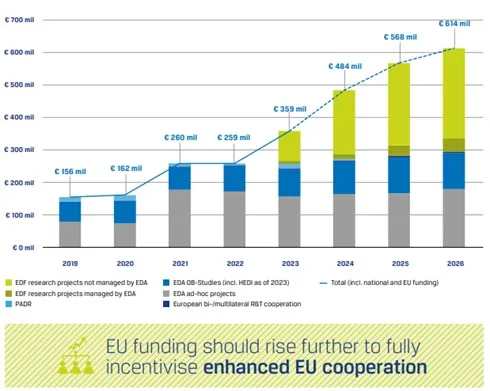
EU defence spending in 2025 is set to reach a record €381 billion, according to fresh data from the European Defence Agency (EDA). The headline number matters, yet the composition matters more: under NATO’s new 3.5% + 1.5% framework, Europe must turn today’s budget momentum into deployable force structure, munitions depth, and resilient infrastructure. This […]