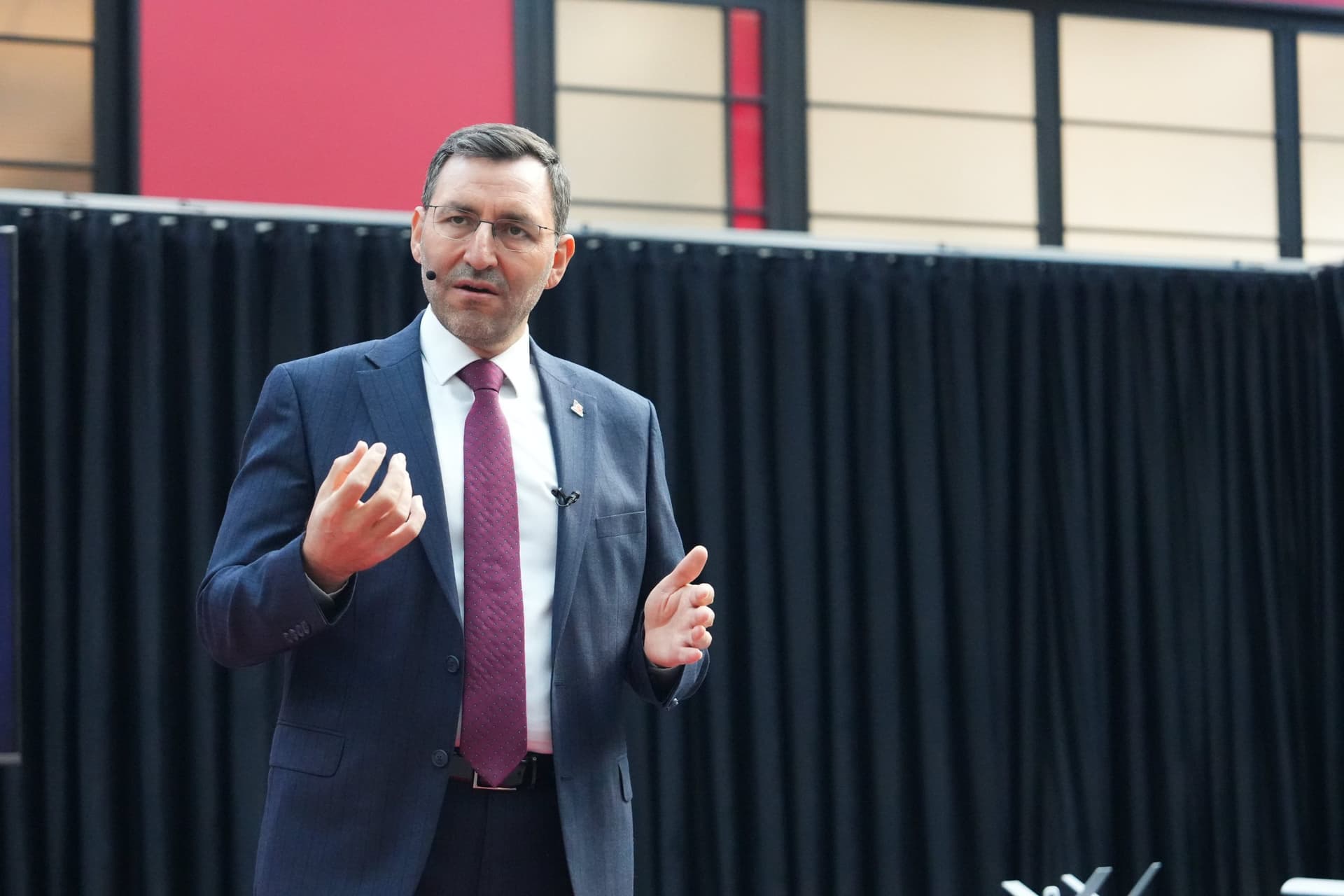
Roketsan missile programmes are entering a new phase, from precision ballistic systems to long-range air-to-air weapons and hypersonic defence. In recent remarks, Roketsan General Manager Murat Ikinci outlined how the company is advancing the Tayfun ballistic missile family, the Gokbora and Gokdogan air combat missiles and the multi-layered Celik Kubbe air defence architecture.
Together, these programmes show how Türkiye is building an integrated strike and air defence ecosystem. They also highlight the depth of the national supply chain that supports Roketsan’s growing serial production capacity.
Tayfun Missile Family: From Precision to Block 4
Ikinci describes Tayfun as one of Roketsan’s most ambitious projects. Above all, the focus is precision. During a recent test over the Black Sea, Tayfun struck its target with accuracy measured at under one metre, despite engagement from many kilometres away. This result came from the combined performance of several integrated subsystems working in harmony.
The Tayfun family consists of several blocks, each adding new performance. According to Ikinci, Block 4 is the latest and most capable variant. At present Tayfun is already in serial production and deliveries continue to the end user. Ikinci also notes that the first firing of Tayfun Block 4 will take place soon and, as promised, will be shared publicly once completed.
In this way, Tayfun is moving from prototype status to a mature, fielded capability. It anchors the Roketsan missile programmes on the land-attack side and gives Türkiye a credible precision strike option in its regional security environment.
Gokbora, Gokdogan and the Kizilelma Connection
Roketsan’s Gokbora programme marks a major step into advanced air-to-air missiles. Ikinci underlines that one of Gokbora’s key features is its solid-fuel ramjet engine. This propulsion system is now nearing the end of its development phase. Afterwards, Roketsan will move into firing tests.
Gokbora is planned as one of the main weapons for the Bayraktar Kizilelma unmanned combat aircraft. As a result, it will give Kizilelma the ability to conduct long-range air engagements, extending its influence beyond visual range. This pairing links Roketsan missile programmes directly to Türkiye’s next-generation air combat platforms.
At the same time, Roketsan is ramping up production of the Gokdogan air-to-air missile. Ikinci notes that the company is working closely with TÜBITAK SAGE to increase output. These missiles are now viewed as critical assets for the Turkish Armed Forces and form part of a broader national air dominance strategy.
Celik Kubbe: Building a Multi-Layered Air Defence Shield
Turning to air and missile defence, Ikinci explains that Roketsan is a key player in the Celik Kubbe “Steel Dome” system. He confirms that Siper Block 2 is now being brought into service. In parallel, future blocks – Block 3, Block 4 and possibly Block 5 – will introduce very different and advanced capabilities.
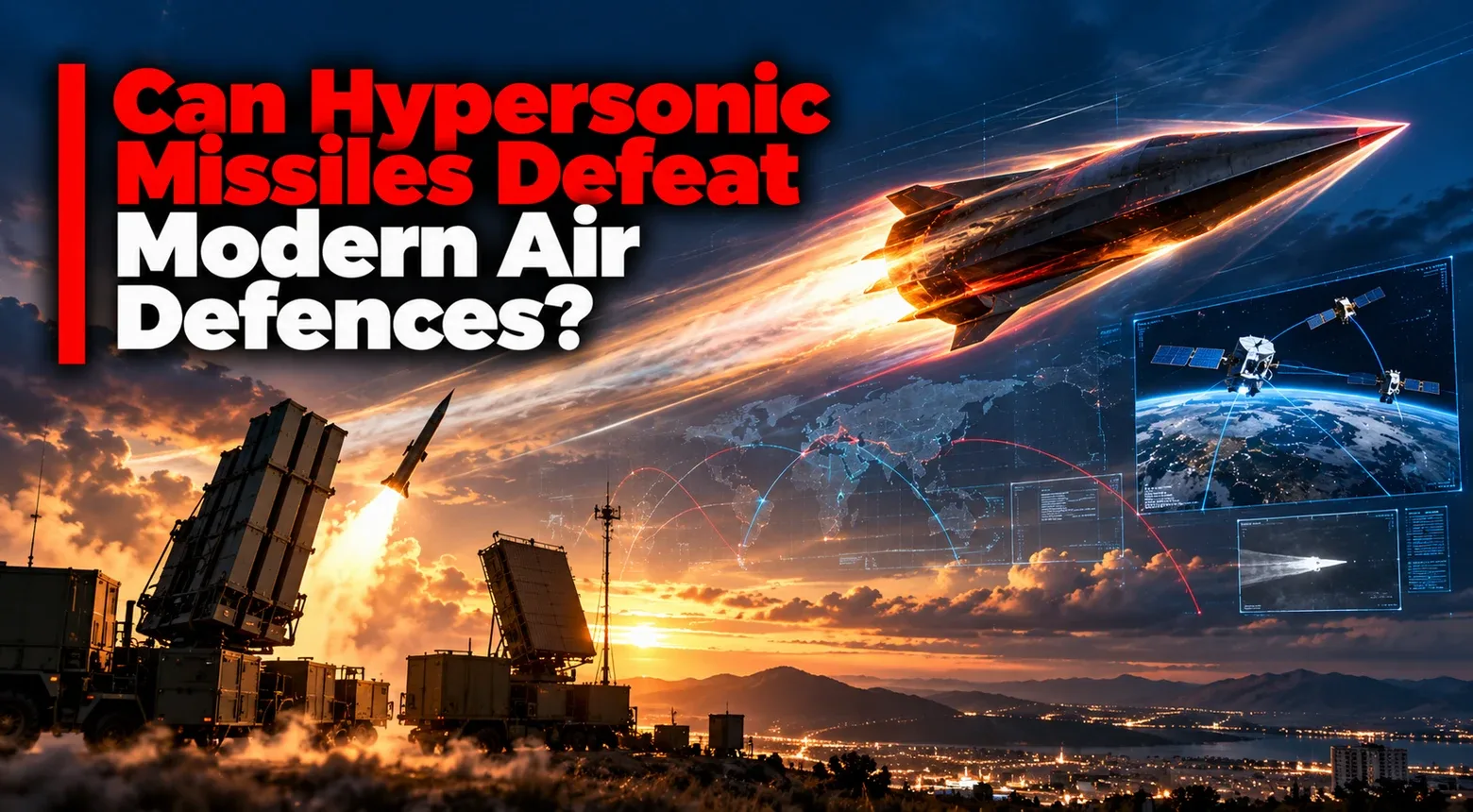
A central focus is countering hypersonic threats. Ikinci stresses that intercepting such weapons demands defensive missiles with very high speed and strong manoeuvrability. In his words, to stop a hypersonic missile, you need a missile that moves several times faster.
Therefore, Roketsan is investing both in hypersonic strike technologies and in interceptors that can defeat hypersonic-class threats. These research and development efforts form the guarantee that Celik Kubbe’s capabilities will grow rapidly in the coming stages.
Supply Chain Strength and Serial Production Capacity
Beyond pure technology, Ikinci highlights the strength of Türkiye’s defence supply chain. Roketsan currently works with around 2,000 companies across the country. In his assessment, Türkiye has one of the best-positioned supply networks in the defence sector in Europe.
These partner firms can produce critical subcomponents and technologies when needed. Consequently, they form a deep industrial base behind the Roketsan missile programmes. Ikinci notes that many European countries do not enjoy a comparable breadth of indigenous suppliers.
In addition, Roketsan has launched major investments to expand its integration lines and production capacity. According to Ikinci, the company is now executing capacity expansion projects valued in the billions of dollars. These investments are being phased in step by step. Over the next one to two years, they are expected to raise serial production output to much higher levels to meet both domestic and export demand.
Hypersonic Focus and the Future of Roketsan Missile Programmes
Finally, Ikinci underlines Roketsan’s long-term commitment to hypersonic missile technology. The company is working not only on offensive hypersonic systems but also on the interceptors and layered defence architectures needed to stop them.
In his view, the work under way today is a strong assurance that Celik Kubbe’s capabilities will rise quickly in the next phases. In parallel, the Tayfun, Gokbora and Gokdogan lines will continue to mature in serial production and export campaigns.
Overall, the Roketsan missile programmes show a clear direction. They link precision ballistic strike, long-range air combat and advanced air and missile defence into a single ecosystem, supported by a robust national supply chain. Under Murat Ikinci’s leadership, Roketsan is positioning itself as a central pillar of Türkiye’s next-generation deterrence posture.