Energy transition and force readiness are becoming inseparable topics for defence planners. As societies move toward cleaner energy by 2030, armed forces must cut fossil fuel use while still fighting and winning wars. This shift promises benefits in cost, logistics and legitimacy. It also creates new vulnerabilities if militaries move faster than technology, infrastructure and supply chains can support.
Most major forces now publish climate and energy strategies. They emphasise electrified vehicles, alternative fuels and greater reliance on electricity on and off base. The challenge is simple but unforgiving: decarbonise without degrading combat effectiveness. If planners misjudge that balance, the energy transition could become a readiness problem rather than a resilience advantage.
Drivers of the Military Energy Transition
Several drivers push armed forces toward cleaner energy. Strategically, reducing dependence on oil markets and vulnerable chokepoints supports national security. Operationally, electric or hybrid platforms can be quieter, cooler and more efficient. Politically, militaries that lead on climate policy can maintain public support and diplomatic credibility.
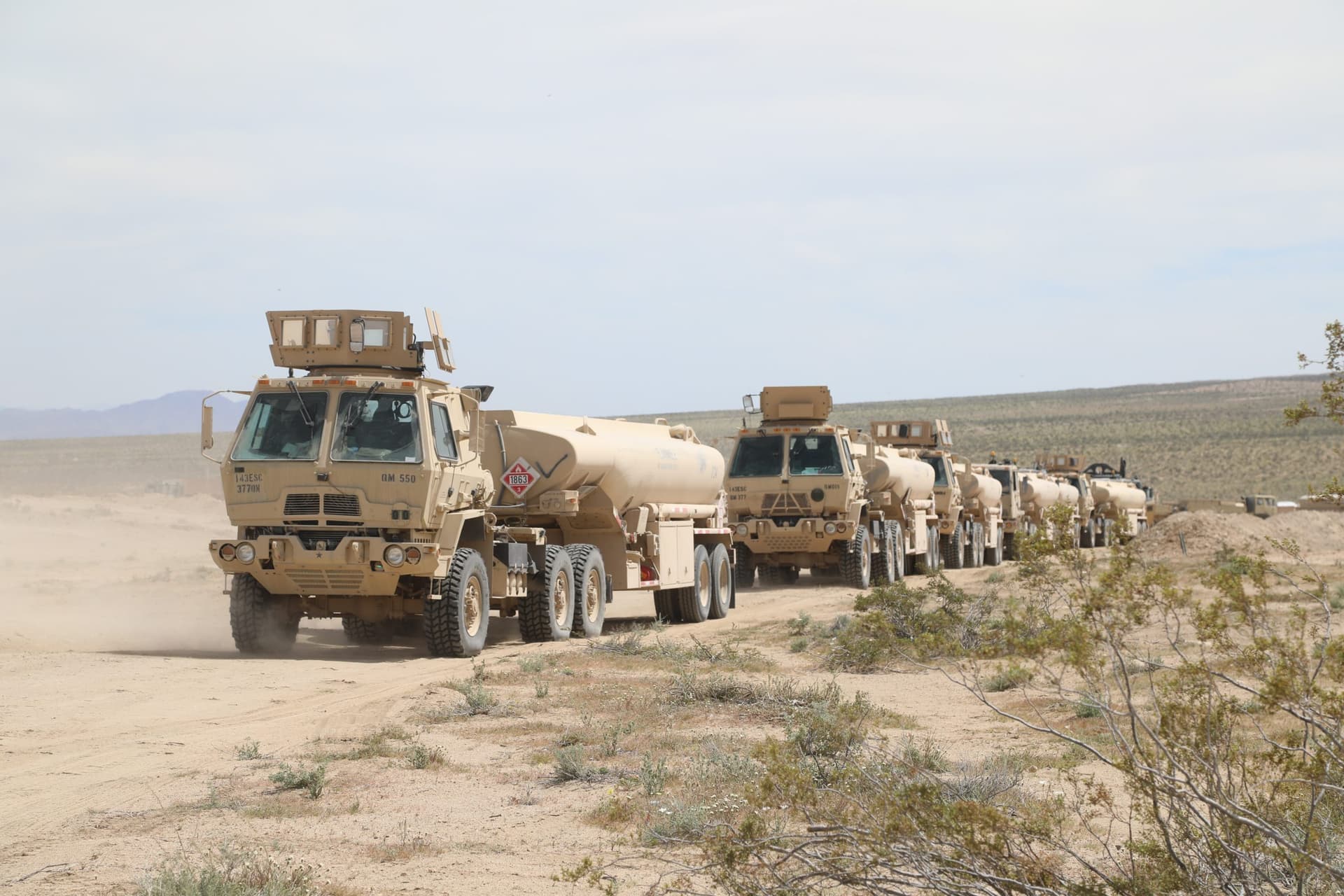
The U.S. Army’s Climate Strategy, for example, calls for hybrid-drive tactical vehicles by 2035 and carbon-free power on installations by 2030. European forces aim for deep emission cuts this decade as part of broader EU climate targets. These goals are not only about carbon. They also target the long, fragile fuel convoys that have historically exposed troops to ambush.
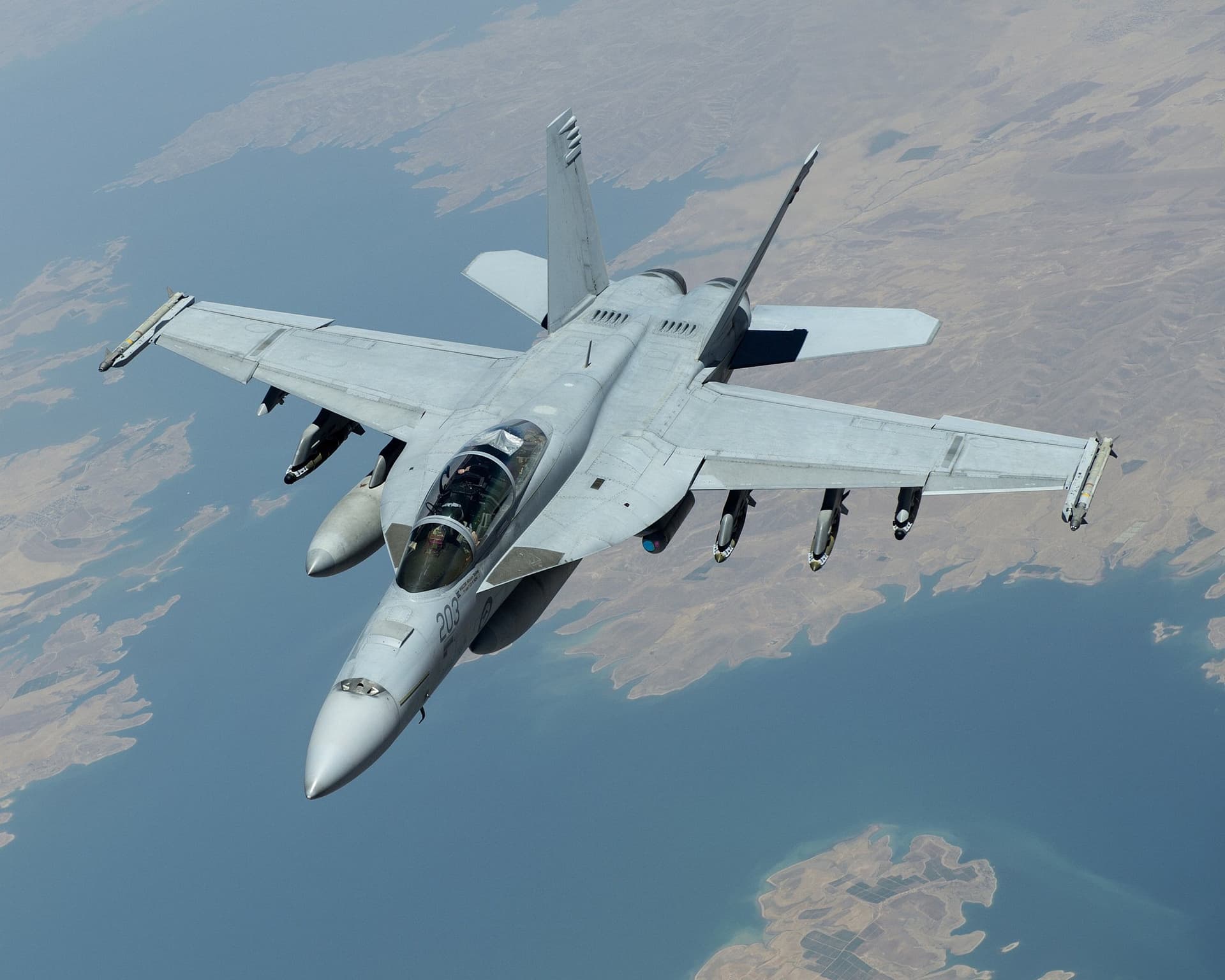
Every litre of fuel not needed is one that does not need to travel through a kill zone. Hybrid generators at forward bases reduce resupply runs. Prototype electric reconnaissance vehicles offer quiet movement and lower thermal signatures. Naval vessels are testing hybrid propulsion to save fuel and extend range. In principle, operational performance and lower emissions can move in the same direction.
Our broader coverage of autonomy and logistics, including autonomous underwater systems and swarming drones , shows how technology shifts rarely stay confined to a single domain.
New Vulnerabilities and Logistics Complexity
The same energy transition that reduces some risks can create new ones. Electrified fleets depend on charging infrastructure. In permissive garrison environments, that is manageable. In expeditionary operations, it is far more difficult.
A battlegroup in the Indo-Pacific or the Sahel may lack reliable grid power. Clouds can limit solar output for days. If combat vehicles depend on batteries, commanders must ask hard questions: where do we recharge after a week of manoeuvre, and what happens if mobile chargers fail under fire?
U.S. planners openly acknowledge that recharging electric combat vehicles in austere conditions is a problem that will take decades to solve. Interim solutions, such as towing diesel generators to power chargers, can undermine the original benefits. They keep the fuel convoy tail while adding complexity and equipment.
Supply chains introduce another layer of risk. Moving away from petroleum means a new dependence on lithium, cobalt, nickel and rare earth elements. Many of these materials come from a small number of countries, with China holding significant market power. In a crisis, an adversary could restrict access to critical minerals or to finished batteries, even if oil is still available from reserves or allies.
During the transition phase, legacy and next-generation systems will coexist. A division with electric vehicles and diesel vehicles needs two energy supply systems. Jet biofuels may require new storage and handling procedures. Mechanics must maintain both conventional engines and high-voltage drivetrains. Soldiers must learn new safety rules for battery fires and electrical hazards. All of this strains training pipelines and maintenance budgets.
Climate Stress, Bases, and Grid Dependence
Climate change itself adds urgency and friction. Bases in hot regions already face extreme temperatures that drive up demand for cooling, water purification, and medical support. More frequent heatwaves, storms, and wildfires increase reliance on robust power systems.
A more electrified force may rely more heavily on fixed electrical infrastructure. That creates a tempting target set. Ransomware incidents and grid outages already show how cyber threats can paralyse civilian power systems. A military installation that draws most of its power from the local grid could be disabled by a cyberattack or targeted disruption without a single kinetic strike.
To mitigate this, many forces are turning to microgrids and on-site renewable generation. The U.S. Army plans to install a microgrid on every installation by the mid-2030s to ensure at least minimal self-sufficiency. Other NATO members are experimenting with similar concepts, often linking base projects to national resilience plans.
Forward-deployed units, however, will not enjoy the same level of protection. They must rely on mobile power solutions, tactical microgrids and careful energy discipline. In many cases, they will also be first responders to climate-driven disasters, which further increases their own energy demand.
Systemic Interdependencies: Technology, Geopolitics, and Climate
The military energy transition does not sit in isolation. It depends heavily on trends in civilian technology, global markets and climate policy. If industry succeeds in scaling up safe, high-density batteries and resilient supply chains, defence ministries can ride that wave. If civilian innovation stalls, armed forces may find that their plans outpace what industry can deliver.
As the world slowly moves away from oil, power balances may shift. Oil exporters could lose some influence. States that control lithium deposits, rare earths, or advanced battery manufacturing could gain it. New flashpoints may emerge around mining regions, refineries for critical materials, or key shipping routes for batteries and fuel cells.
Domestically, defence ministries will work more closely with energy, environment, and industry portfolios. Building dual-use charging networks, aligning standards for fuels and batteries, and coordinating R&D funding will all require cross-government mechanisms. Public perception matters too. Armed forces that adopt “greener” energy profiles may gain political support. But if new technologies fail in combat, the reputational damage could be severe.
For related analysis on how infrastructure and technology create new vulnerabilities, see our coverage of threats to undersea infrastructure.
Strategic Implications: Hedging While Transitioning
Strategically, reducing fuel dependency makes sense. It lowers exposure to oil price shocks and to maritime chokepoints such as the Strait of Hormuz. It also makes it harder for adversaries to use the energy supply as a coercive tool. However, until alternative energy is as deployable as JP-8, militaries will have to hedge.
The most realistic path is a hybrid energy force for decades to come. Some units may operate all-electric fleets for short-range, stealthy missions. Others will continue to rely on diesel, aviation fuel, or marine fuel for long-distance or high-intensity operations. Strategic planners should map which missions can safely transition first and which must wait for further breakthroughs.
War plans should also address supply security for critical minerals and advanced components. If tensions with a major supplier rise, alliances will need fallback sources and stockpiles of batteries, fuel cell,s and key electronics. Adversaries already target civilian pipelines and grids in cyber and kinetic operations. In a major war, they will also go after military energy sources, from bulk fuel farms to tactical microgrids.
True deterrence will increasingly include energy resilience. A force that can operate for weeks with minimal external fuel and power, through redundancy and local generation, sends a powerful signal about staying power.
Operational Implications: Energy as a Warfighting Function
At the operational level, commanders must treat energy as a core warfighting function, not a background service. Logistics units will include specialists who plan charging cycles, battery swaps and fuel deliveries in the same way they schedule ammunition resupply today.
Forward operating bases can use modular renewable kits — solar, wind, batteries and smart controllers — to cut generator hours and convoy frequency. Experiments in Afghanistan and elsewhere showed that even modest renewable deployments could significantly reduce fuel consumption at remote sites.
New technologies may change the picture further. The U.S. Department of Defense is exploring small, mobile nuclear reactors to power remote bases or high-energy systems such as directed-energy weapons. If these projects succeed, operators will face new tasks: securing the reactors, managing radiation safety and integrating them into existing force protection.
Training and maintenance will also evolve. Units will carry spare battery packs alongside fuel cans. Field mechanics will need diagnostic tools for electric drivetrains and power electronics. Exercises should include scenarios with strict energy constraints to teach commanders how to prioritise, improvise and maintain tempo when fuel and power are scarce.
Policy Priorities: Timelines, Procurement and Partnerships
Policy-makers must make the tradeoffs explicit. Ambitious targets are useful, but only if they align with realistic technology timelines and operational needs. One sensible approach is to mandate electric or hybrid solutions where they clearly enhance capability — for example, base transport, logistics fleets and short- range patrols — while allowing exemptions for systems that still require conventional fuel, such as main battle tanks or fast jets.
Defence policy can also direct R&D toward military-specific needs. These include batteries that work in extreme heat and cold, synthetic fuels compatible with existing engines but low in lifecycle emissions, and ruggedised charging systems that can survive in combat zones. Cooperation with allies through a NATO or EU operational energy framework would help share lessons learned and avoid fragmentation.
Procurement policy needs to treat energy systems as ecosystems. Buying electric fleets means buying vehicles, chargers, grid upgrades, training, software and spare parts as an integrated package. Acquisition plans must factor in battery replacement, cyber-hardening of energy management software and the full lifecycle cost of new technologies.
Finally, senior leaders must keep readiness at the centre of climate and energy policy. Emission targets are important, but the core mission of armed forces is to deter and, if necessary, win wars. Where green technologies improve survivability, endurance or stealth, militaries should embrace them. Where they impose unacceptable risk, adoption timelines should adjust rather than forcing readiness to absorb the cost.
Conclusion: Turning Transition into an Advantage
Energy transition and force readiness do not have to be in tension. With deliberate planning, the same changes that reduce emissions can also tighten logistics tails, harden bases and build resilience against climate shocks and hostile interference.
The key is to treat energy as a strategic enabler, not a side constraint. Forces that invest early in resilient, diversified and combat-proven energy systems will be better positioned by 2030. Those that treat energy transition as a compliance exercise risk discovering, in a crisis, that their “green” force cannot fight as hard or as long as required. The next decade will show which approach prevails.